Press workflow
Dark garment underbase
Opaque white underbases are essential for crisp, vivid prints on black and navy garments with DTF.

Start with these
Lines we put together for this job
Dark cotton and polyester garments demand a solid white underbase to make colours pop and prevent show-through. Accurate white ink management and press settings are key for professional results on these jobs.
What dark garment underbase jobs involve
Printing on black, navy or other deep shades means you need a dense white underbase before any colour goes down. This underbase blocks the garment colour, giving a clear, even surface for vibrant CMYK prints. The typical fabrics are cotton, cotton-rich blends, and polyester for T-shirts, hoodies, school kit, workwear and branded uniforms. This workflow is crucial for fashion, sports, and event prints where rich full-colour graphics are needed on dark items.
Where DTF can go wrong on dark bases
Most issues come from weak or patchy white, which lets the dark fabric show through and dulls colours. This can be due to settled white ink, blocked nozzles, or incorrect underbase settings in the RIP. Sometimes, powdering is rushed and excess isn’t shaken off, which causes rough edges or spots. Press temperature and peel timing matter too: over-pressing can yellow the white, under-pressing leaves transfers tacky. For polyester, letting the press get too hot risks dye migration, turning whites pink or grey.
DTF Ink lines and typical starting points for opaque underbases
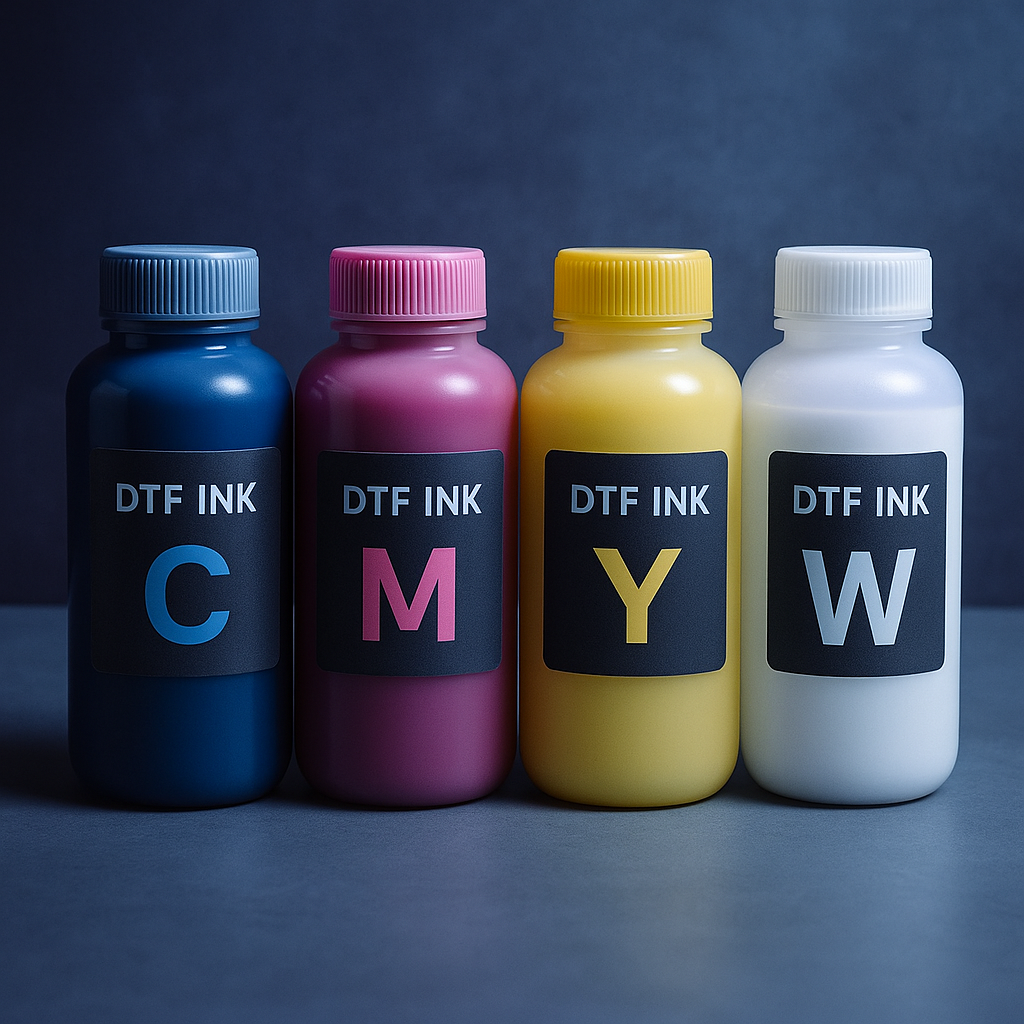
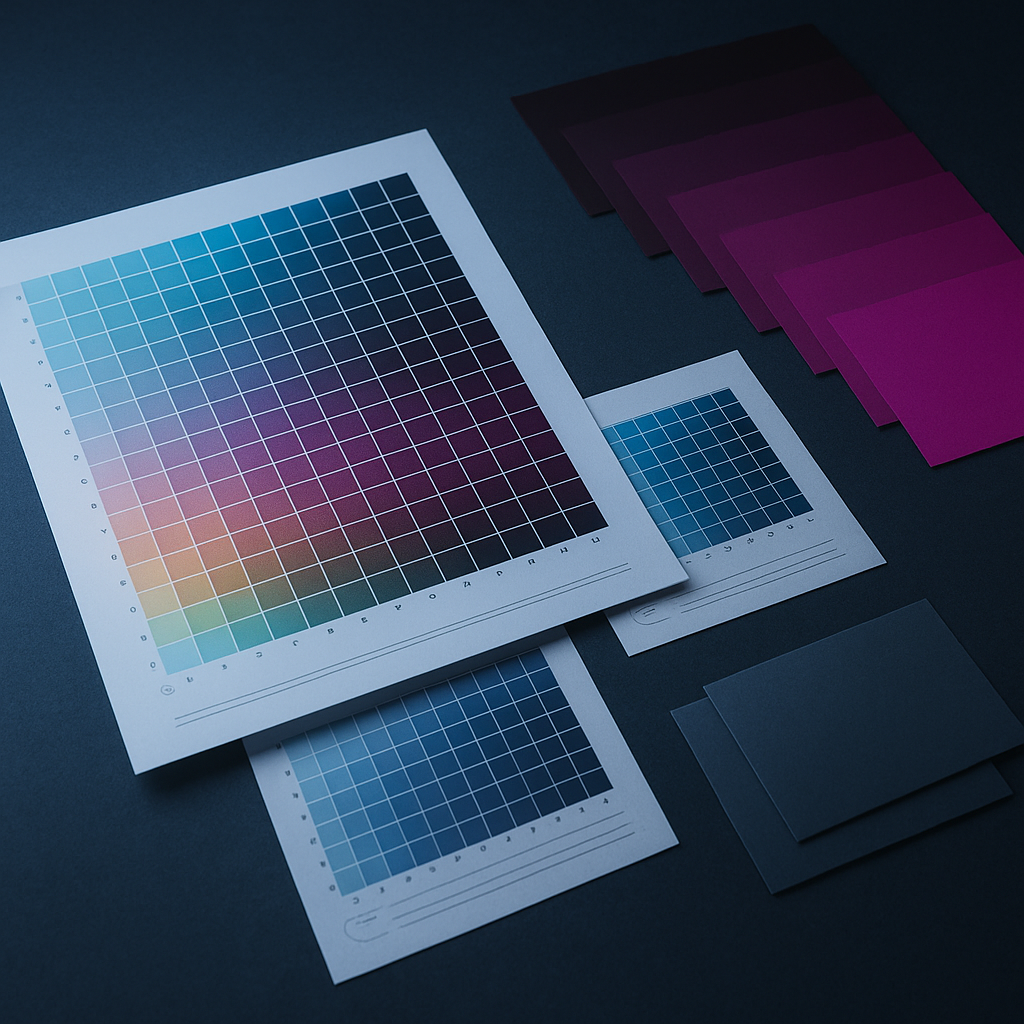
For these jobs, our 'White Only Top-up' and 'CMYK+White Pro' ink sets handle deep underbases and fine colour detail. The 'RIP Colour Pack' helps you dial in correct white density and sharp overprints. Agitate your white ink daily, if you forget, nozzle checks will catch it fast. As a starting point, set your white underbase at 180 to 220 percent in the RIP for deep navy and black. Use fine-grade hot-melt powder for a soft feel on tees, and switch to a coarser grade for workwear or poly blends.
Film choice matters: hot-peel is faster for cotton, cold-peel is best for polyester to control migration. Start curing powder at 120 degrees C for 2 to 3 minutes in the oven, or hover the film under the press for 4 to 5 minutes at 145 degrees C, then check for a glossy, orange-peel finish. On-press, go at 155 to 165 degrees C for 12 to 15 seconds on cotton, and 130 to 140 degrees C for 10 to 12 seconds on polyester, peeling cold and slow. Finish with a 7-second repress through a Teflon sheet.
- White Only Top-up for topping up tanks and circulation
- CMYK+White Pro set for solid pigment loads
- RIP Colour Pack for controlled underbase strength
- Fine and coarse hot-melt powder options
Planning stock and your production week for underbase jobs
Opaque white jobs use more white ink and powder than light garments, so order extra whenever possible, running low mid-job is a headache you dont need. Keep film sealed and in reach, rotating stock during Highveld dry winters to avoid static problems. Build in time for wash testing, especially for large orders or new garment types. Around school terms, festivals or big events, demand for dark kit jumps, so factor in extra production days and some headroom for courier delays or the odd power cut. If you're running multiple jobs, batch similar garments and colours for fewer changes and better flow.
Read before you press
Customer reviews
What our DTF Ink customers say
Verified Google reviews

Talk to DTF Ink
Tell us about your printer, film, powder and press settings and our team will help you get repeatable transfers. Meadowdale lab in Germiston, plus seven studios.