



Presses

DTF press workflows index

Find the right DTF press method for your kitroom, fashion line, events, or specialist workwear from our proven South African workflows.

DTF press workflows index
Club kit runs

Press workflow

Club kit runs

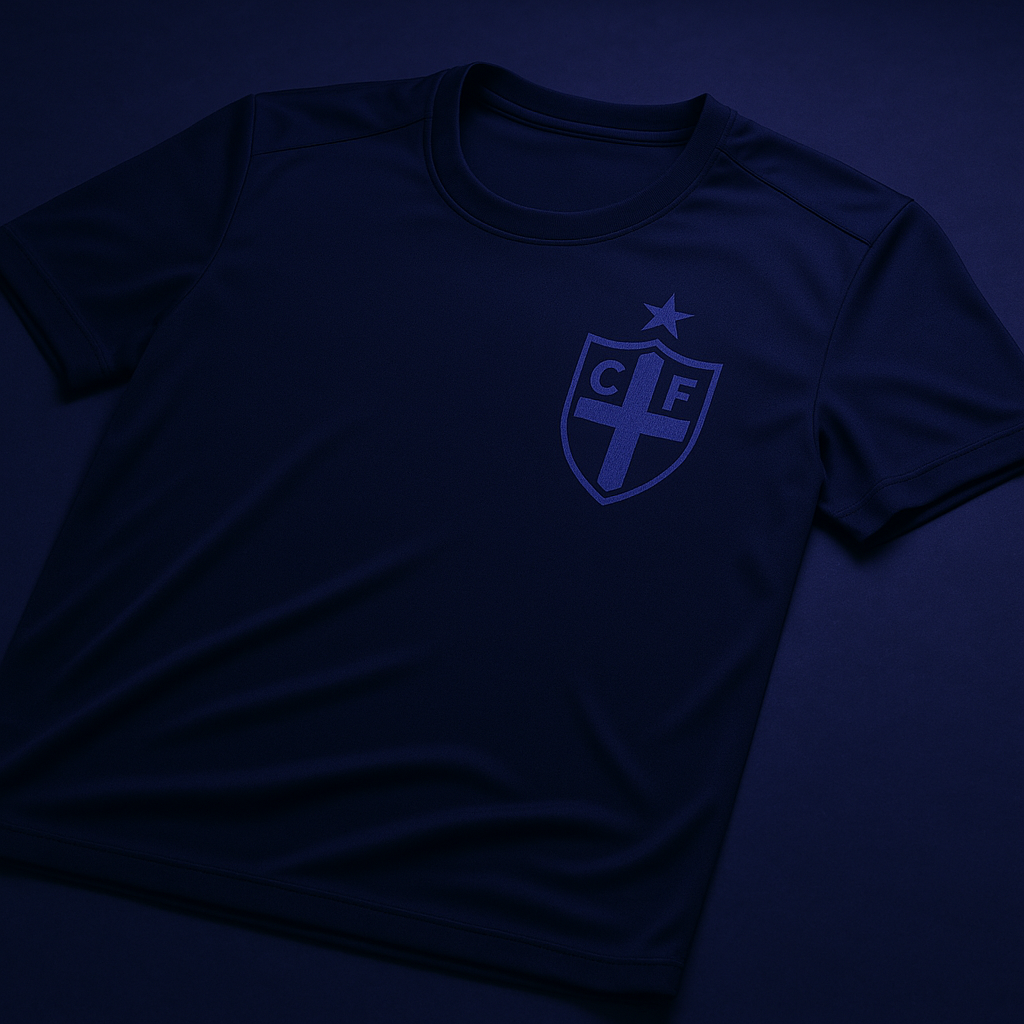
DTF is ideal for club kit runs where schools and sports teams need consistent crest colours all season.

Explore →
Fashion soft hand

Press workflow

Fashion soft hand

DTF for soft fashion is all about combining crisp colour with a touchably soft hand on lightweight tees and fleeces.

Explore →
Workwear fleets

Press workflow

Workwear fleets

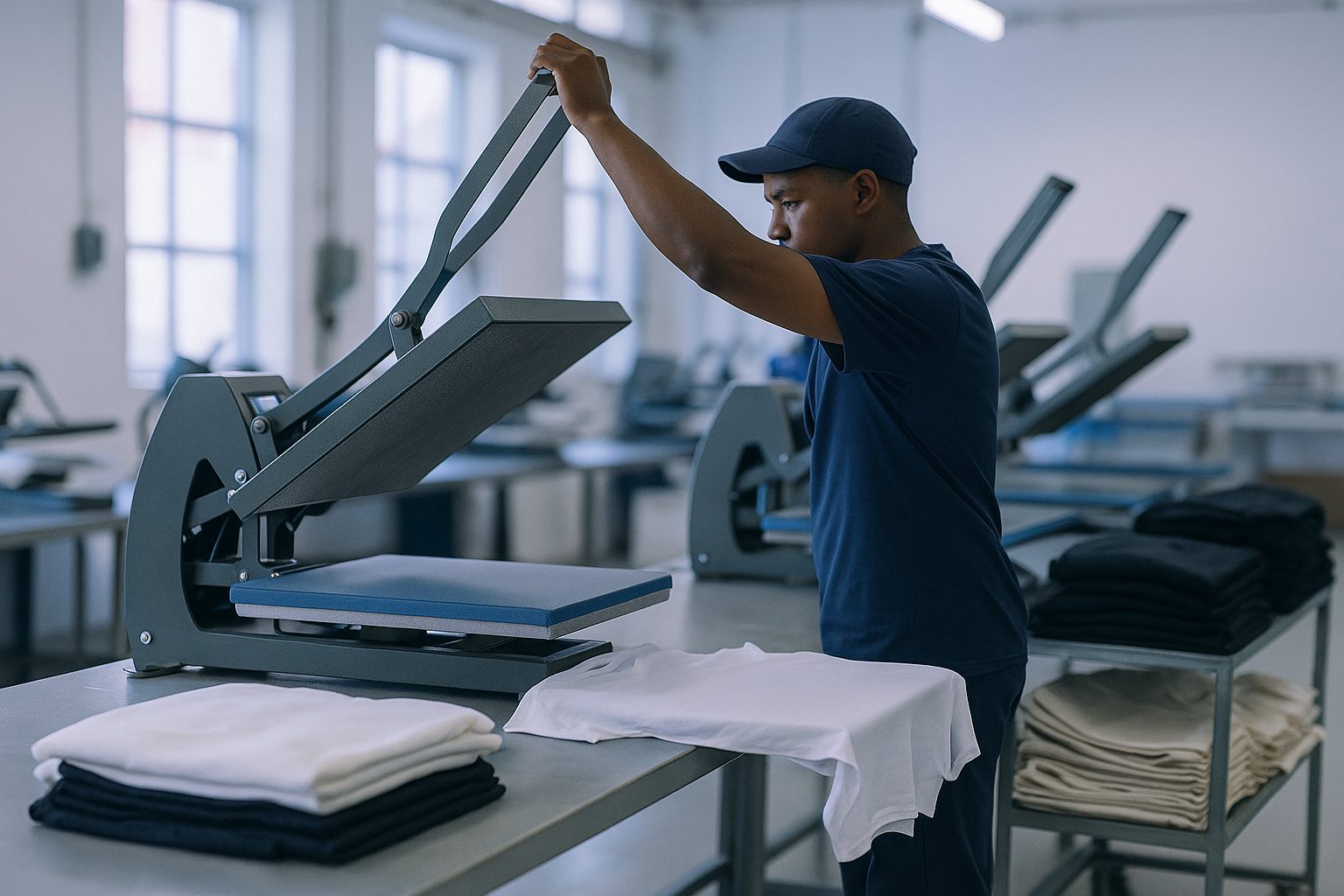
Workwear fleet orders mean tough transfers that stay sharp through heavy use and industrial washing, especially on high-vis and badged uniforms.

Explore →
Event merch

Press workflow

Event merch

Event merch jobs mean quick-turnaround drops for festivals and conferences, where artwork and deadlines leave no room for error.

Explore →
Dark garment underbase

Press workflow

Dark garment underbase

Opaque white underbases are essential for crisp, vivid prints on black and navy garments with DTF.

Explore →
Polyester sports

Press workflow

Polyester sports

DTF is a strong solution for polyester sportswear and team kits, especially where sublimation cannot be used or extra colour is needed.

Explore →
Hoodie blocks

Press workflow

Hoodie blocks

Printing large block transfers on midweight hoodies demands the right DTF workflow to avoid fold cracks and harsh hand.

Explore →
Tote and canvas

Press workflow

Tote and canvas

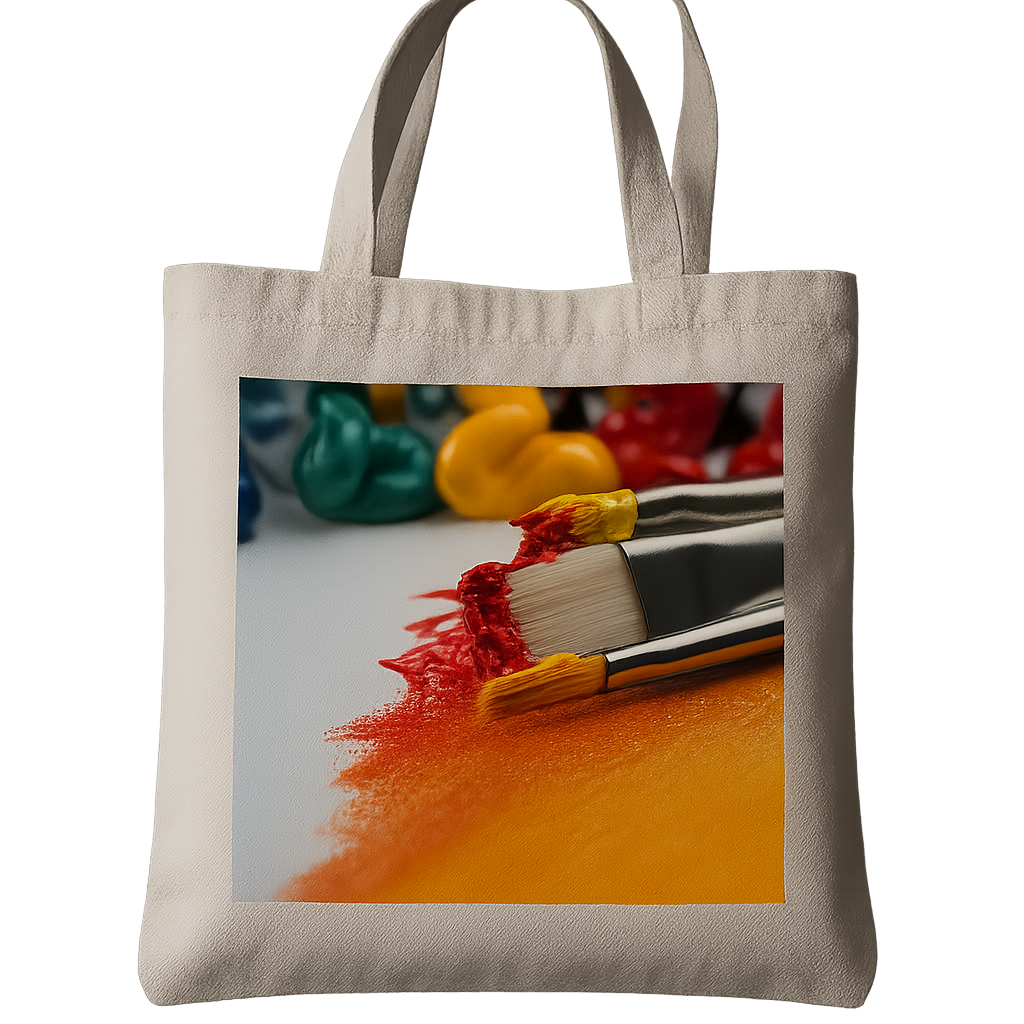
Cotton tote bags and light canvas need DTF transfers with a soft handle and careful powder control for best results.

Explore →
Name badge lanes

Press workflow

Name badge lanes

Name badge lanes test your press setup: sharp edges, small text and clean whites are non-negotiable.

Explore →
Retail restock

Press workflow

Retail restock

Weekly retail restocks for boutique rails demand precise colour matching and consistent results across all sizes.

Explore →
Kids wear soft

Press workflow

Kids wear soft

Soft, safe DTF transfers for kids' apparel depend on gentle handling and fine materials from start to finish.

Explore →
High-vis panels

Press workflow

High-vis panels

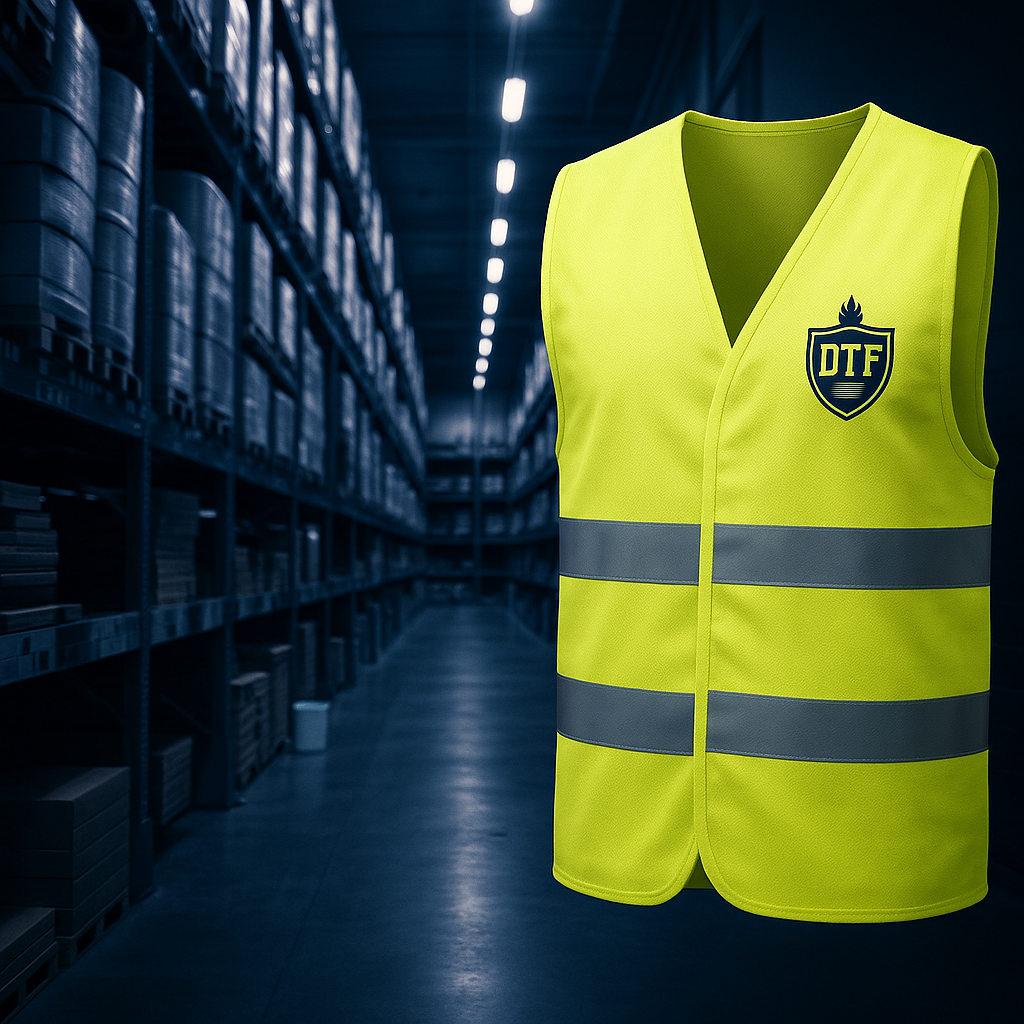
DTF crests on high-vis panels call for workwear-grade grip, careful planning and the right press routine.

Explore →
Sample day approvals

Press workflow

Sample day approvals

Sample day approvals let your client check colour, feel and fit before you run a full DTF print order.

Explore →
Coastal humidity

Press workflow

Coastal humidity

Coastal humidity in Durban or Cape Town changes how DTF film and powder behave, so your press workflow needs tweaks from what works up on the Highveld.

Explore →
Highveld dry

Press workflow

Highveld dry

Highveld winter jobs need specific DTF handling: dry air shifts powder and changes transfer feel.

Explore →
Export kit packs

Press workflow

Export kit packs

Export kit pack jobs move fast, with transfers pressed onto mixed garments and cartons sealed for travel, so every print must wash well and match the order sheet.

Explore →

Guide

Choosing the right workflow for your job

Each job and garment type in DTF printing calls for specific tweaks to film, powder, press temperature, and peel timing. Workwear and high-vis need stronger adhesive and lower heat, while boutique fashion or kids' wear often run finer powder and softer press for maximum comfort. Event merch and festival shirts may need speed and repeatability above all. For club kits and branded polos, the focus is on accuracy and restock consistency. Always match the press method to the end-use and fabric to get sharp, lasting results.

Check the fabric composition, colour, and texture before choosing your starting workflow. Dark and textured garments often need extra white underbase and careful powdering for clarity. Polyester, hoodies, and high-vis benefit from a low-temp, cold-peel workflow to avoid scorching and dye migration. Export packs, sample approvals, and coastal or Highveld conditions can need their own tweaks, think stable humidity, powder choice, and extra wash testing to tick every box before a big run.
When to adjust for climate, fabric or volume

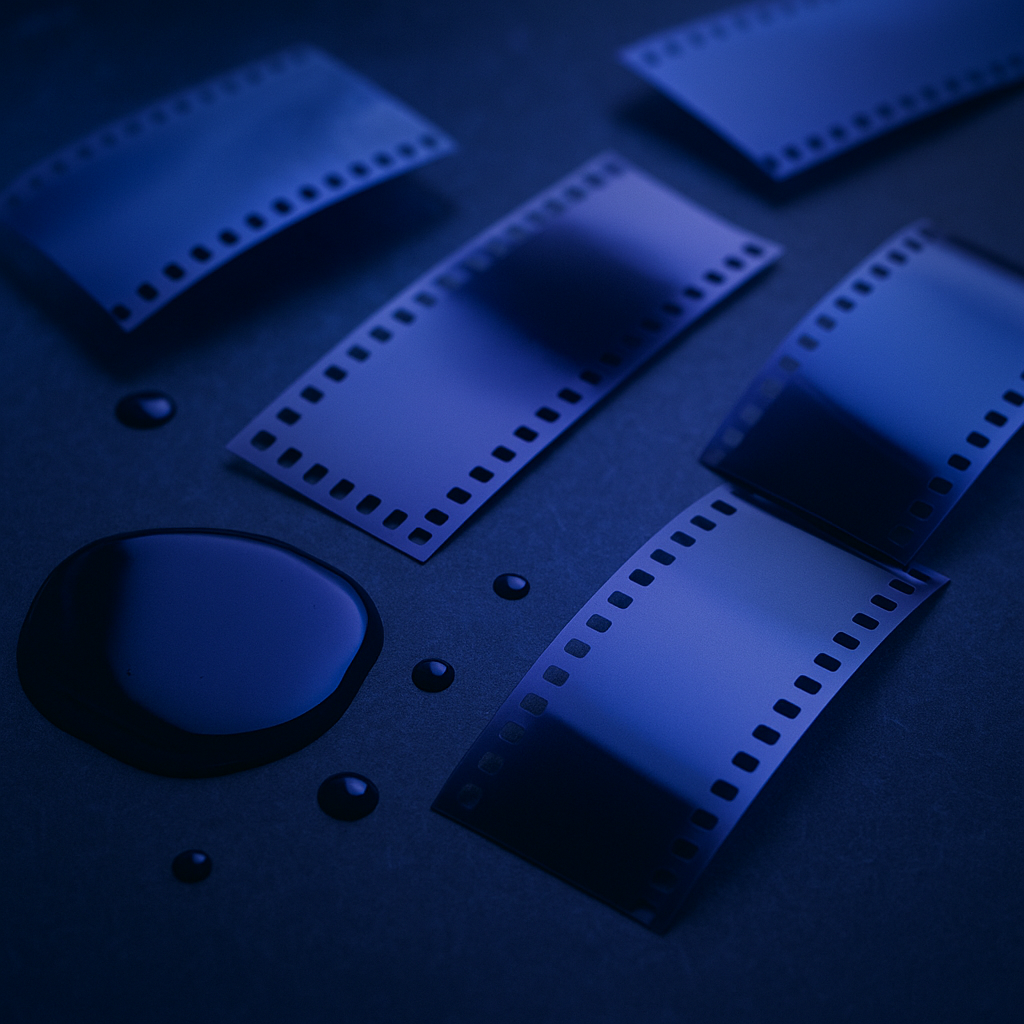
Highveld’s dry air or coastal humidity can make or break the quality of your DTF transfers. Too dry and static builds up, powder scatters, and film sticks. Too damp and powder clumps or takes longer to cure, so watch your print room’s hygrometer and store materials sealed. Volume jobs like event merch or club kit restocks call for a repeatable process, always check white ink agitation and printer nozzles before every run, and keep film and powder types consistent across batches.

Specialty jobs like badges, heavy totes, kids’ wear, or high-wash workwear need their own workflow. For badges and heavy items, use a coarser powder and firm pressure for lasting adhesion. Kids’ apparel and fashion soft-hand transfers benefit from fine powder and a lighter press. For export or sample sign-offs, always wash test and tweak press time or powder as needed to avoid any surprises down the line.

Talk to DTF Ink

Tell us about your printer, film, powder and press settings and our team will help you get repeatable transfers. Meadowdale lab in Germiston, plus seven studios.