
Press workflow
Workwear fleets
Workwear fleet orders mean tough transfers that stay sharp through heavy use and industrial washing, especially on high-vis and badged uniforms.
Start with these
Lines we put together for this job
Workwear jobs demand durable, consistent results that stand up to harsh laundering, abrasion and sunlight. DTF Ink’s workwear DTF setup is made for these challenging, high-visibility and multi-badge garments.
Daily ink set
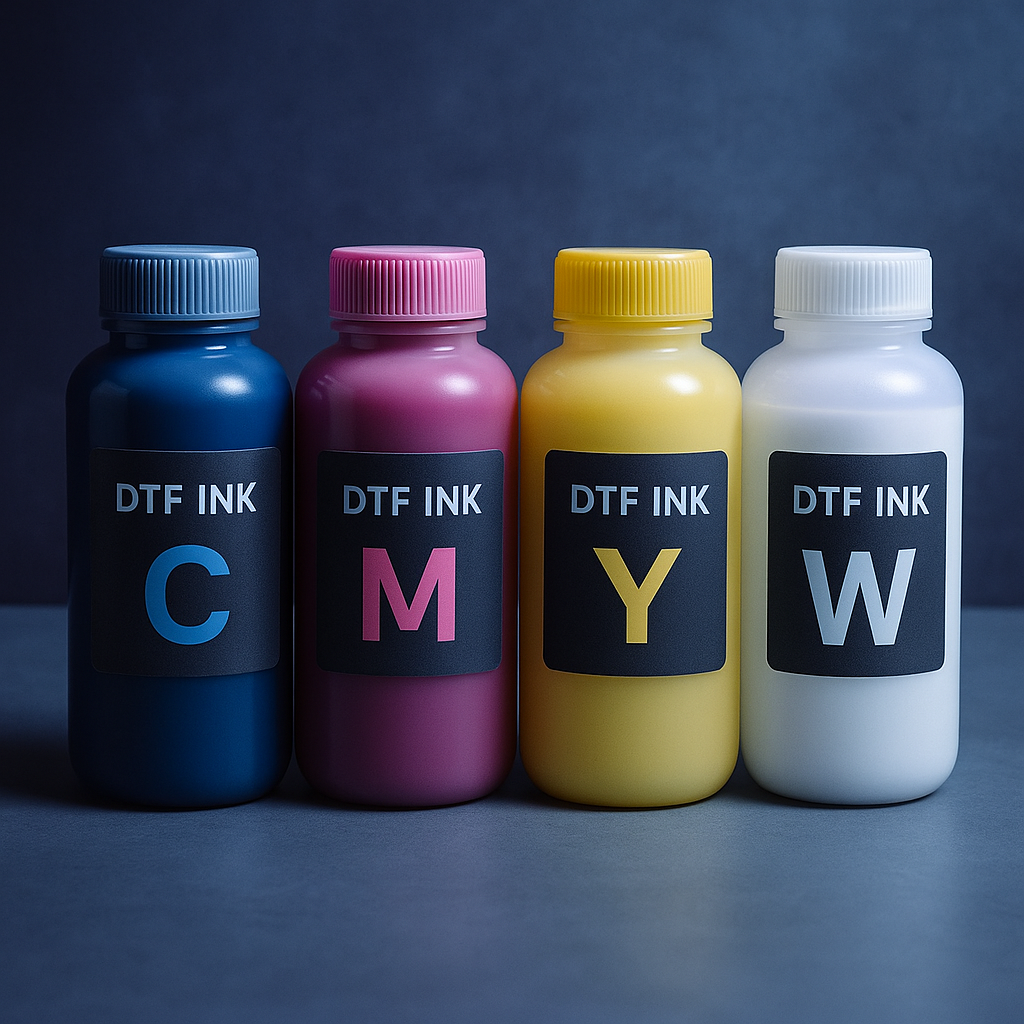
CMYK+White Pro
Four-colour plus white for steady garment transfers on common DTF printers.
View →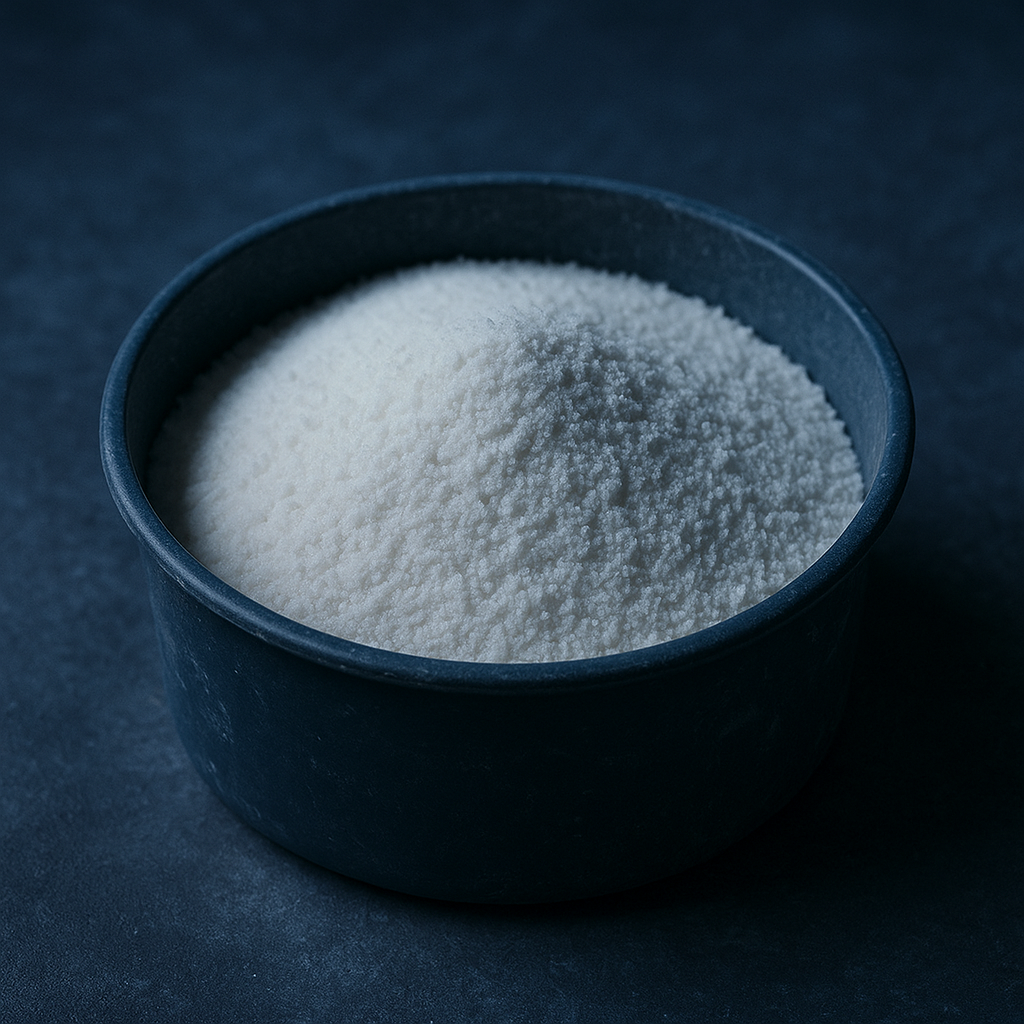
Durable grade
Powder Workwear
Tough-melt DTF powder for durable, work-ready prints every time.
View →
Metrology
Cure Check Kit
Keep every DTF batch consistent with clear, practical curing checks you can trust.
View →What workwear fleet jobs involve and the garments you see
Fleet workwear jobs often come in bulk, covering everything from utility overalls, cargo trousers and hi-vis vests to jackets, bibs, name badges and reflective panel garments. The fabrics range from heavy cotton drill and polyester blends to technical synthetics, sometimes with waterproof coatings or stitched reflective strips.
These jobs carry a logo and a stack of personal details. You’re including names, numbers, department badges and safety compliance marks, often on multiple spots per garment. Stitching, seams, and pockets can make press placement tricky, and the variety of fabric weights and finishes means one DTF recipe doesn’t fit all.
Where DTF transfers go wrong on workwear jobs and why
The main problems on workwear are transfers lifting or cracking after repeated hot washes or dryer cycles, white underbase showing patchy, dye migration on polyester, and poor adhesion around seams or uneven panels. High-vis fabrics in neon or deep shades can bleed dyes if the powder isn’t blocking enough, and textured panels sometimes need a coarser adhesive.
Most failures come down to under-cured powder, stock standard powder instead of a tougher grade, or too low press temperatures on thick seams. On badges and small details, softness is less important than grip, so a ‘soft-hand’ formula might not last. Always test with a real garment, washing inside out at the highest temperature on the care label.
DTF Ink lines for durable workwear and typical starting points
For these jobs, we recommend our CMYK+White Pro ink set for maximum coverage and bright, white underbases that don’t block nozzles easily. Pair this with Powder Workwear: a tougher, coarser TPU adhesive powder that bites into heavy or technical fabrics and blocks most dye migration. Use the Cure Check Kit to verify powder is fully cured on a sample strip before running the first batch.
Start with these test settings and adjust for your specific fabrics:
For cotton or polycotton: 150 to 165 degrees C, 12 to 15 seconds, medium-firm pressure, with a short pre-press. For polyester with high-vis panels: 130 to 140 degrees C, 10 to 12 seconds, cold peel, then a 7 to 10 second finishing press through a Teflon sheet. Cure Powder Workwear at 120 to 130 degrees C in an oven for 3 to 4 minutes, or hover under the press (4 to 7 mm) at 145 to 155 degrees C for 3 to 5 minutes. Look for a glossy orange-peel texture, tacky means under-cured.
Run a daily white ink agitation and nozzle check, especially after any power cut.
- CMYK+White Pro for opaque, tough prints
- Powder Workwear for maximum bond and migration block
- Cure Check Kit to check for proper cure on test runs
Planning stock and production for fleet deadlines
Bulk workwear jobs always land near contract renewals, the change of school terms, or the build-up to the festive and tourism season. Plan your roll and powder stock well ahead, as workwear contracts often mean last-minute size changes, extra badges, or replacement runs. Use the Cure Check Kit at the start of every new job and after any change in humidity, especially in Highveld winters or coastal rainy spells.
Set up a week-by-week plan, starting with logo and badge approvals, then running test presses for each fabric type. Allow extra time for garment sorting, seam alignment and press cooling if you’re batch-pressing on thick jackets. Keep a backup of Powder Workwear and white ink, and don’t let roll film run low. If you’re in an area with frequent outages, keep your DTF printer on a UPS and consider scheduling curing and pressing outside of peak evening slots.
Finally, check that all finished workwear passes a real wash test and the badge edges are firmly bonded before bundling for delivery.
Read before you press
Customer reviews
What our DTF Ink customers say
Verified Google reviews

Talk to DTF Ink
Tell us about your printer, film, powder and press settings and our team will help you get repeatable transfers. Meadowdale lab in Germiston, plus seven studios.