


















Recipes

DTF Recipes: Press Notes

Practical notes from DTF Ink’s crew for dialling in DTF transfers, from curing powder to pressing on different fabrics.

DTF Recipes: Press Notes
Load-shedding and white ink

Mr Louw Hattingh

Load-shedding and white ink

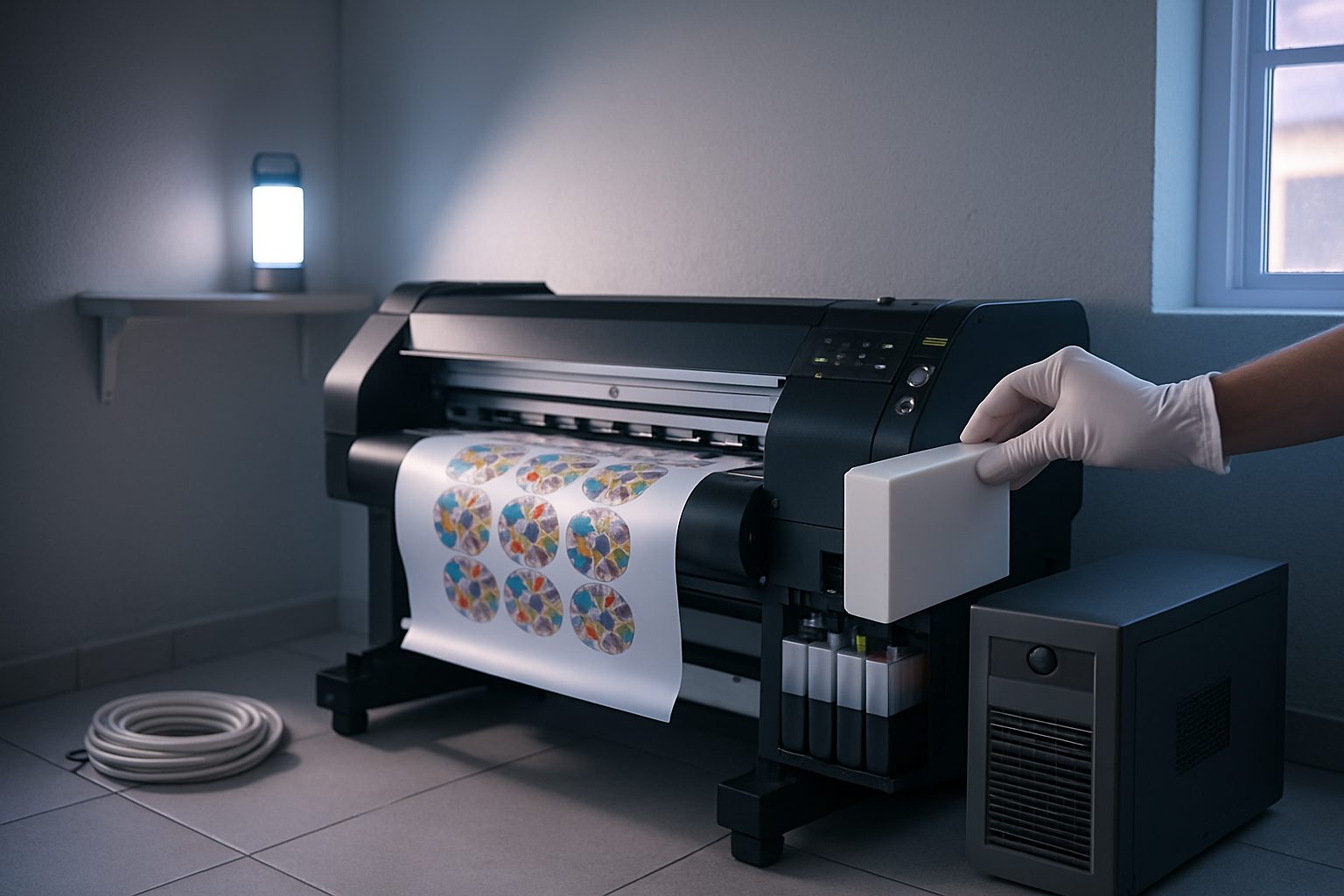
Keep your DTF printer and white ink safe when the power goes, and restart cleanly after a slot.

Read →
Hot peel vs cold peel in SA rooms

Mr Ndivhuwo Shirinda

Hot peel vs cold peel in SA rooms

When to peel hot for speed and when cold peel saves soft hands.

Read →
White underbase on dark tees

Ms Fatiema Pandy

White underbase on dark tees

Getting solid, crisp white that holds up on dark shirts means tuning opacity, controlling choke and knowing how to keep your white ink healthy.

Read →
Soft hand powder windows for DTF

Mr Kevashan Ramsamy

Soft hand powder windows for DTF

Melt feel for fashion tees without looking under-cured.

Read →
Wash testing every workwear kit before delivery

Ms Dikeledi Sibiya

Wash testing every workwear kit before delivery

Simple wash cards catch issues before DTF workwear kits leave the bay.

Read →
Short run sheet film for fast-turn jobs

Ms Zinhle Chauke

Short run sheet film for fast-turn jobs

A3 DTF sheets make sample days and festival merch quick and simple.

Read →
Polyester press temperatures

Mr Louw Hattingh

Polyester press temperatures

DTF on poly kits without scorch or ghosting headaches.

Read →
Hoodie fold and press

Ms Dikeledi Sibiya

Hoodie fold and press

Large DTF prints on hoodies that hold up across fold lines.

Read →
Canvas and tote melt

Mr Kevashan Ramsamy

Canvas and tote melt

Tips for crisp DTF transfers on bags that need more bite than a fashion tee.

Read →
Small type and badges

Ms Fatiema Pandy

Small type and badges

Keeping names sharp when art gets tiny.

Read →
Restock colour logs

Mr Ndivhuwo Shirinda

Restock colour logs

Logging first peels makes weekly restocks more accurate than guessing from memory.

Read →
Sample day checklist for client demos

Ms Zinhle Chauke

Sample day checklist for client demos

What to put on the table before a client walks in.

Read →
Humidity and powder caking

Mr Kevashan Ramsamy

Humidity and powder caking

Coastal print rooms face real powder caking before lunch, but you can keep your transfers crisp with a few habits.

Read →
Highveld storage notes

Mr Louw Hattingh

Highveld storage notes

Dry winters, sealed bottles, and white that settles hard.

Read →
Export carton checkcards for DTF kit shipments

Ms Dikeledi Sibiya

Export carton checkcards for DTF kit shipments

Cards that travel inside export cartons.

Read →
RIP starting points

Ms Fatiema Pandy

RIP starting points

ICC basics without turning your print room into a science lab.

Read →
Film storage on racks

Mr Kevashan Ramsamy

Film storage on racks

How you store DTF film matters for print quality and economy.

Read →
Press path cover papers and Teflon sheets

Mr Ndivhuwo Shirinda

Press path cover papers and Teflon sheets

How to choose, use and replace press-side cover papers and Teflon sheets for DTF transfers.

Read →
Starter bay first week

Ms Zinhle Chauke

Starter bay first week

Seven days in, your DTF bay should gather real numbers to run at your best.

Read →
Club crest colour match

Ms Dikeledi Sibiya

Club crest colour match

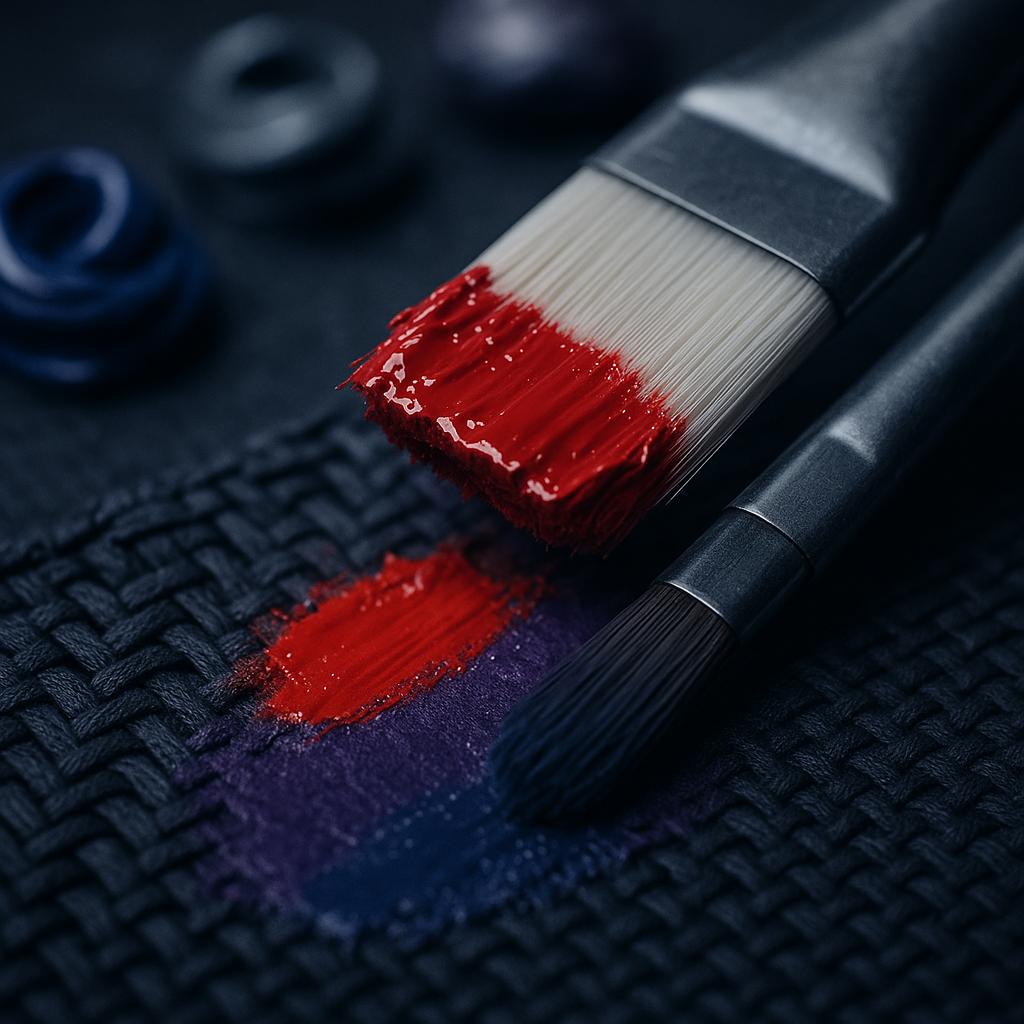
Keeping crest reds consistent across a season.

Read →
Setting event drop calendars for DTF production

Mr Ndivhuwo Shirinda

Setting event drop calendars for DTF production

Art lock dates keep your print schedule on track when festival timelines get tight.

Read →
Gentler powder curing for kidswear DTF transfers

Mr Louw Hattingh

Gentler powder curing for kidswear DTF transfers

How to achieve a soft cure on DTF prints for children’s clothes without risking under-cured powder.

Read →
High-vis neighbour panels

Mr Kevashan Ramsamy

High-vis neighbour panels

DTF transfer technique for garment crests alongside reflective tape on safety and workwear.

Read →
Retail size runs

Ms Fatiema Pandy

Retail size runs

How to keep DTF colours consistent from the smallest to largest garment in a typical retail order.

Read →
Meadowdale demo hour

Ms Zinhle Chauke

Meadowdale demo hour

See exactly how we run a full DTF workflow, from ink agitation to final peel, during our practical demo hour.

Read →

Guide

Start with the right film and powder

Choosing film and powder suited to your job can save you hours in testing and help you tackle problem garments confidently. Hot-peel film is a time-saver for cotton tees and casualwear, but for polyester sports kit or stubborn workwear, a cold-peel film is less likely to lift or ghost. Finer powder gives a soft finish for fashion, while tougher grades grip heavier fabrics and boost wash resistance. Always store film sealed and flat, and close powder tubs after every use, moisture and dust cause more failures than any other culprit.

Dial in your press settings for success

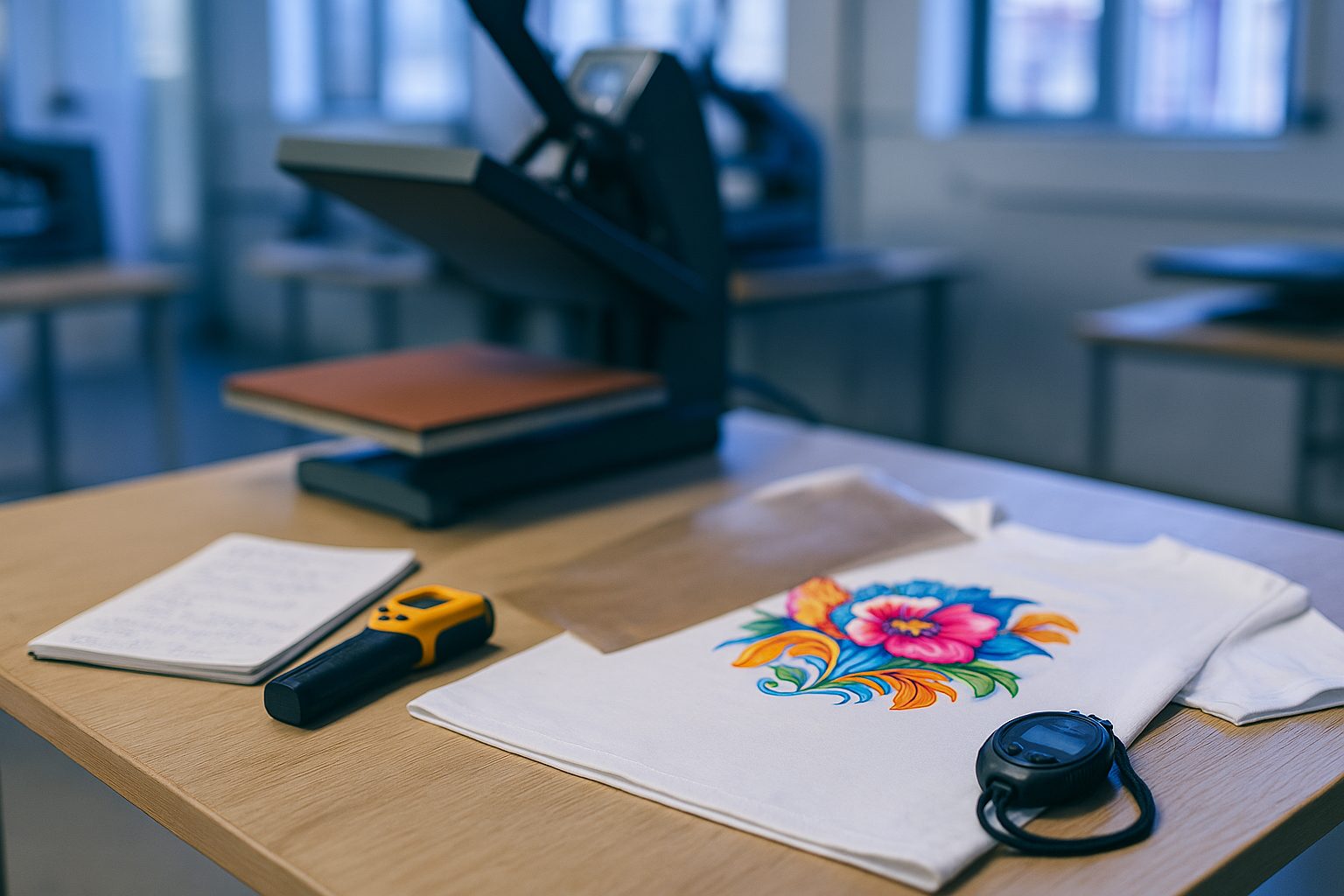
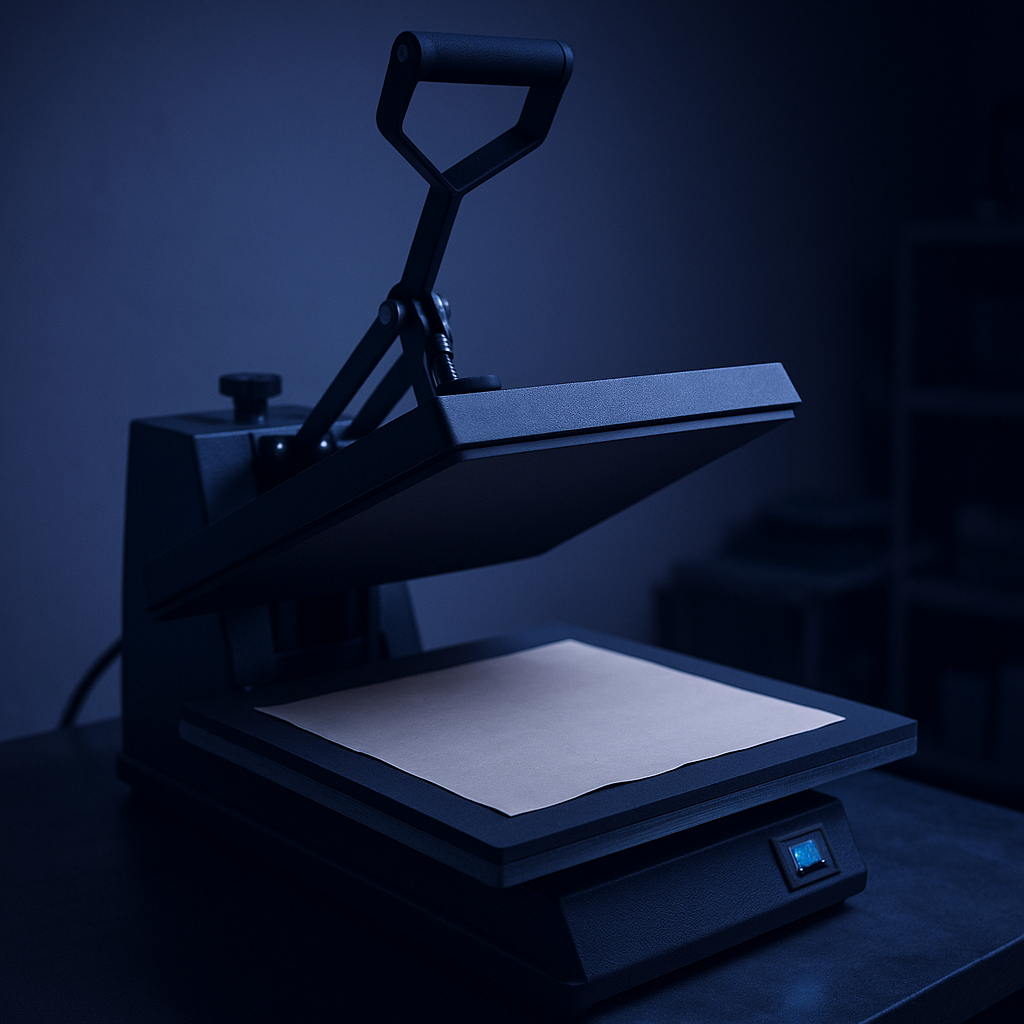
Always check your press temperature with an infrared thermometer before your first order each day: cold edges or hot spots ruin consistency. On cotton, aim for 150 to 165 degrees C and 10 to 15 seconds at medium-firm pressure, with a 2 to 5 second pre-press to flatten seams and drive out moisture. For polyester, drop to 125 to 140 degrees C, and use cold peel to avoid scorching or bleed. After peeling, a short finishing press through a Teflon sheet improves hand feel and durability. Test and note your own best settings as garments and films vary.

Talk to DTF Ink

Tell us about your printer, film, powder and press settings and our team will help you get repeatable transfers. Meadowdale lab in Germiston, plus seven studios.