Press workflow
Tote and canvas
Cotton tote bags and light canvas need DTF transfers with a soft handle and careful powder control for best results.
Start with these
Lines we put together for this job
Tote and canvas jobs are popular for events, shops and promo campaigns. Our ink, film and powder lines make it practical to manage powder melt and keep edges clean on textured cottons.
Hot-melt grade
Powder Soft Hand
Fine-melt DTF adhesive powder for soft, wearable prints on cotton-rich tees and lightweight fleece.
View →
Hot-peel film
Film PET 75
Fast-turn DTF jobs run smoothly on Film PET 75 hot-peel rolls.
View →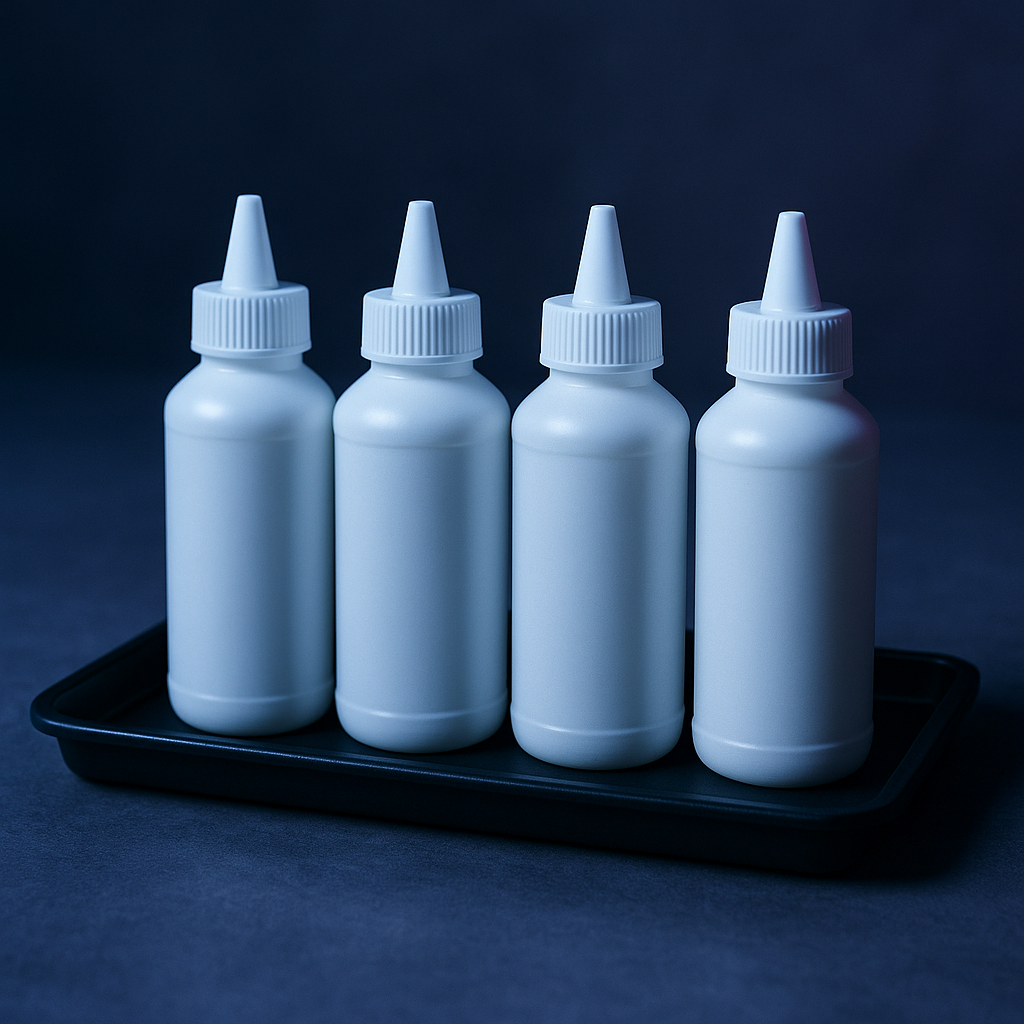
Starter set
CMYK+White Compact
Compact 250 ml CMYK+White bottles for new setups and test runs.
View →What to know about cotton tote and canvas jobs
Tote bags and light canvas items are a staple for corporates, schools, markets and boutique brands wanting eco-friendly, durable merchandise. These are usually sewn from medium-weight cottons and blends, sometimes with a bit of polyester in the weave. The surfaces are often textured or slightly rough, which means the powder adhesive and transfer film both work a bit differently than on T-shirts. Because the material is less forgiving than fine-knit tees, it’s normal to pay close attention to edge sharpness, powder spread and the feel of the finished print.
Most tote bag orders come in bulk, especially around school term starts, holiday promotions, or retail roll-outs. Artwork with solid blocks, detailed logos and bold colours is common. Large prints on light canvas tend to show press marks if overcooked, so balancing time, temperature and pressure is critical to avoid ghosting or flattening the base fabric.
Common DTF pitfalls on these fabrics and how to avoid them
Where DTF transfers often go wrong on totes and canvas is in powder melt and film behaviour. These fabrics don’t always lie completely flat under the press, and their weave can draw in more powder at the edges, leading to rough or patchy borders if the powder is too coarse. If the powder is under-cured, the print will feel tacky and might wash off. Over-cured powder can yellow the cotton, harden the transfer, or even scorch the bag.
Hot peel films can sometimes lift fibres or leave a rough edge, while cold peel gives a cleaner result but adds time to each cycle. Static build-up on dry Highveld days, or powder clumping in coastal humidity, will also affect consistency. Dont forget to check for cold spots on the press platen, especially with heavy tote seams.
DTF Ink’s recommended lines and starting press settings
For cotton tote and canvas runs, we recommend a combination of our Powder Soft Hand for detail hold and a natural finish, PET 75 Film in A3 sheets or 40 cm rolls for sharp registration, and the CMYK+White Compact ink set for strong colour. Powder Soft Hand is fine enough to avoid gritty edges on canvas textures, with good grip on both smooth and slightly open weaves. PET 75 Film handles hot and cold peel, but cold peel usually gives a tidier edge on woven cotton.
As a starting point, pre-press the bag for 3 to 5 seconds at 155 to 160 degrees C to flatten seams and drive out moisture. Press the transfer at 155 to 165 degrees C for 12 to 14 seconds at medium-firm pressure. For light canvas with polyester blend, drop the press temperature to 140 degrees C and use a cold peel after the press cools fully. Finish with a short 7 to 8 second press through a Teflon sheet to improve feel and durability.
Always run a nozzle check before the day’s first print, agitate the white ink, and store film sealed and flat. Use gloves and a dust mask when powdering by hand to prevent skin contact and inhalation.
- Powder Soft Hand for fine, soft edges
- PET 75 Film in sheets or rolls
- CMYK+White Compact ink set
- Cold peel for best edge on canvas
- Short finishing press to improve wash resistance
Planning stock and workflow through busy periods
Tote and canvas jobs often spike ahead of the school year, festive season and events like charity walks or company conferences. Stock planning means checking on film and powder at least a week out, as courier delivery delays can creep in just before public holidays. Bulk jobs are best batched in groups by fabric weight, so you can lock in your press settings and work efficiently.
If you’re running jobs for multiple clients or event dates, label batches clearly and keep a daily log of print settings. Power cuts or cable faults do happen in some areas, so it’s wise to keep a UPS on the printer and cap the print head if you need to restart. Build in an extra day if you’re new to DTF on textured canvas, as it’s easy to underestimate the time for detailed hand powdering or cold peel cooling. When in doubt, send us a message through our contact form for practical advice before you start a large run.
Read before you press
Customer reviews
What our DTF Ink customers say
Verified Google reviews

Talk to DTF Ink
Tell us about your printer, film, powder and press settings and our team will help you get repeatable transfers. Meadowdale lab in Germiston, plus seven studios.