Recipe
Short run sheet film for fast-turn jobs
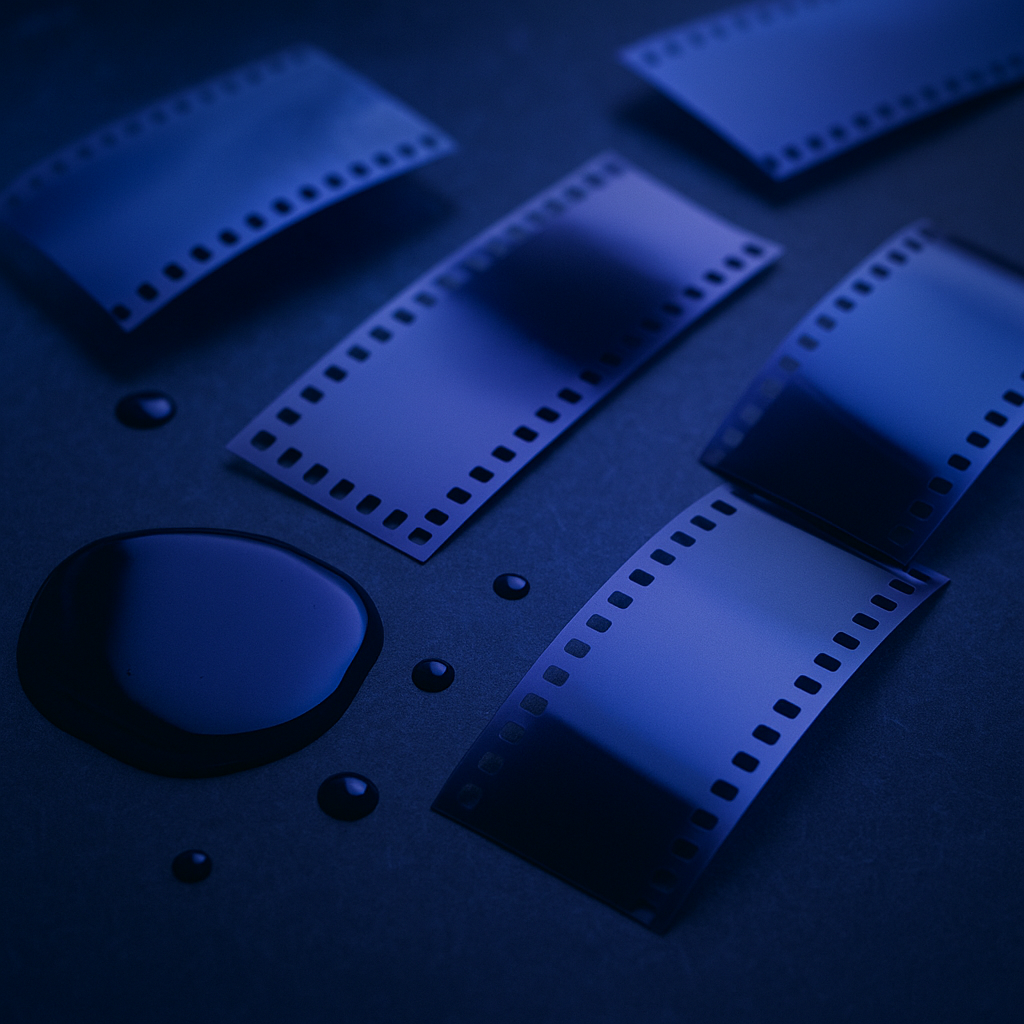
A3 DTF sheets make sample days and festival merch quick and simple, because you can print small batches without loading a full roll.

I’m Zinhle Chauke, and I host demos and workshops at DTF Ink’s studios around the country. For short runs, surprise requests and pop-up events, A3 DTF sheet film keeps things moving. Here’s how to get clean prints and reliable peels when you’re working with sheets instead of rolls.
Getting the most from A3 PET transfer sheets
A3 DTF film sheets are a practical choice for samples, one-offs and those last-minute top-ups for a festival or club drop. They fit most desktop DTF printers, and it’s easier to swap artwork or tweak jobs without rethreading a roll. I always check the film type before starting: some A3 sheets are made for hot peel and some for cold peel. Keep sheets sealed and flat in the pack until you need them, especially on the Highveld where dust settles quickly. If your workspace is dry, static build-up can make sheets stick together or attract powder, so a light touch is better than a heavy hand.
Dont leave sheets in direct sun or on a warm press, as the coating can get tacky and will grab powder unevenly. If you’re working coastal, watch for humidity swings. Sheets can pick up moisture overnight, so wipe down surfaces and let any cold film come to room temperature before printing.
Aligning artwork and loading A3 sheets correctly
Load sheets print side up, with the coated matte side facing the print head. It’s easy to slip up here, so run a small corner test if you’re working with a new batch. Always square up the sheet to the printer’s feed guides. Misfeeds or slight skewing will show up as banding or blur along the edge, especially if you’re pushing to the margins.
For multiple small jobs, gang up the artworks with at least 8 to 10 millimetres between images to leave room for powder shake-off and trimming. If you’re running several sheets in a row, check for stray powder or lint on the platen between jobs. Give the white ink a quick agitation every session, as it settles faster in most desktop tanks.
- Check film type, hot or cold peel
- Load print side up, matte coating facing print head
- Square to guides to avoid skew
- Leave 8 to 10 mm between ganged designs
- Agitate white ink before starting
Powdering, curing and pressing for short runs
With sheets, you’ll usually powder by hand. Wear gloves and a dust mask, keep the powder bin close, and tap off excess powder thoroughly. If you rush this step, loose powder ends up on the press, or worse, inside the printer. Finer TPU powder gives a soft hand for cotton and blends, while tougher grades work better for heavy canvas or workwear.
For curing, hover the sheet under an open press with a 5 mm gap at 145 degrees C for about 4 minutes, or use an oven at 110 degrees C for 2 to 3 minutes. You’re aiming for a glossy, even orange-peel look. Under-cured powder feels sticky or dull, and won’t survive a wash. Over-cured sheets stiffen and can brown at the edges, a common issue if you forget to adjust from roll to sheet curing settings.
Peeling and finishing tips for event and sample jobs
Always match the peel type to your sheet. Hot peel sheets want to be peeled within a few seconds after pressing, in one smooth, steady motion. Cold peel sheets need a full cool-down to room temperature, so be patient. If you try to peel cold peel film while it’s still warm, the transfer can lift or stretch.
Give every transfer a quick finishing press after peeling, 5 to 8 seconds through a Teflon sheet or cover paper. This evens out the feel and improves wash durability, especially for high-touch items like festival tees. For event jobs, I always test a finished garment with a wash at the care-label temp to check the edges and detail. It’s the best way to catch any problem before the rush.
Showroom and demo host at DTF Ink. Books Meadowdale demos and mall studio hours; helps print shops get the right DTF consumables.
Talk to DTF Ink
Tell us about your printer, film, powder and press settings and our team will help you get repeatable transfers. Meadowdale lab in Germiston, plus seven studios.