Press workflow
High-vis panels
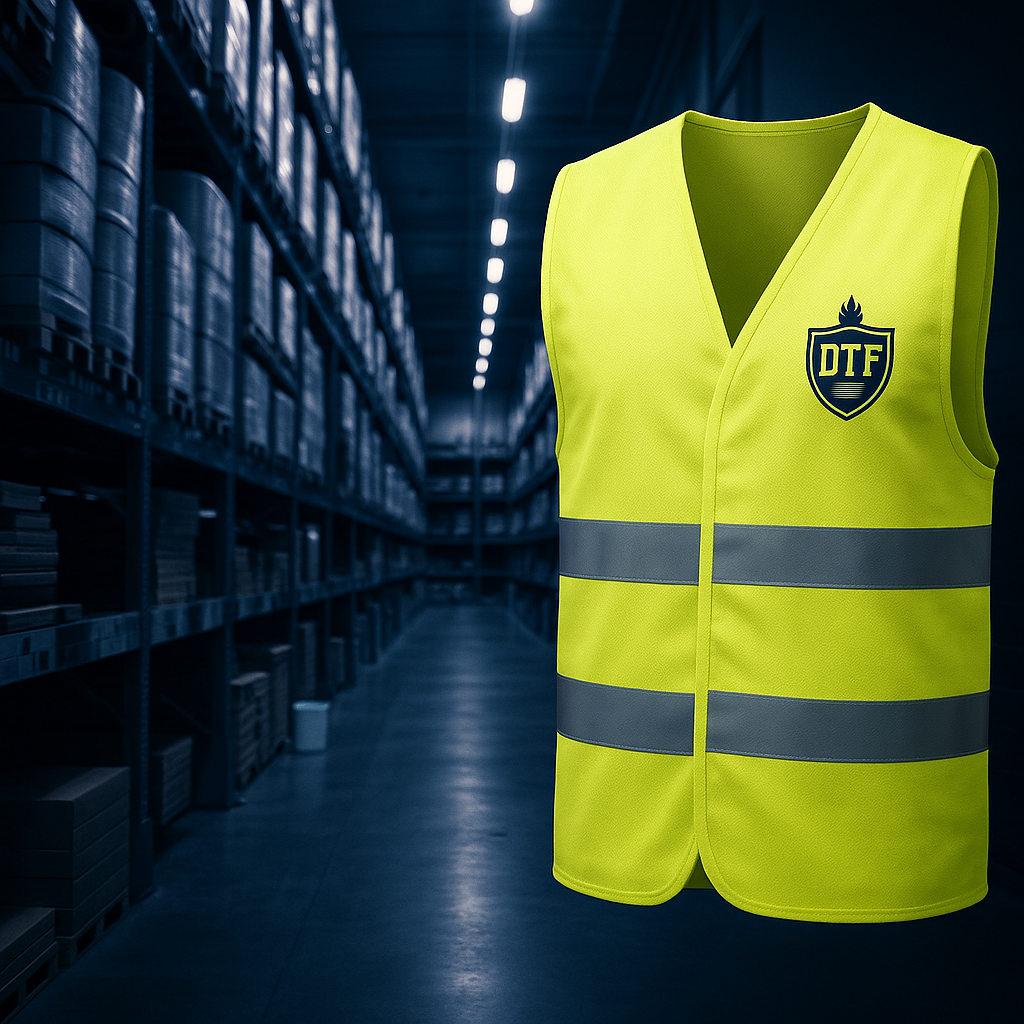
DTF crests on high-vis panels call for workwear-grade grip, careful planning and the right press routine.
Start with these
Lines we put together for this job
High-vis panels and reflective gear often need custom crests added after the original manufacturing run. With the right DTF workflow, you can get solid adhesion and lasting results even on tricky technical fabrics.
Durable grade
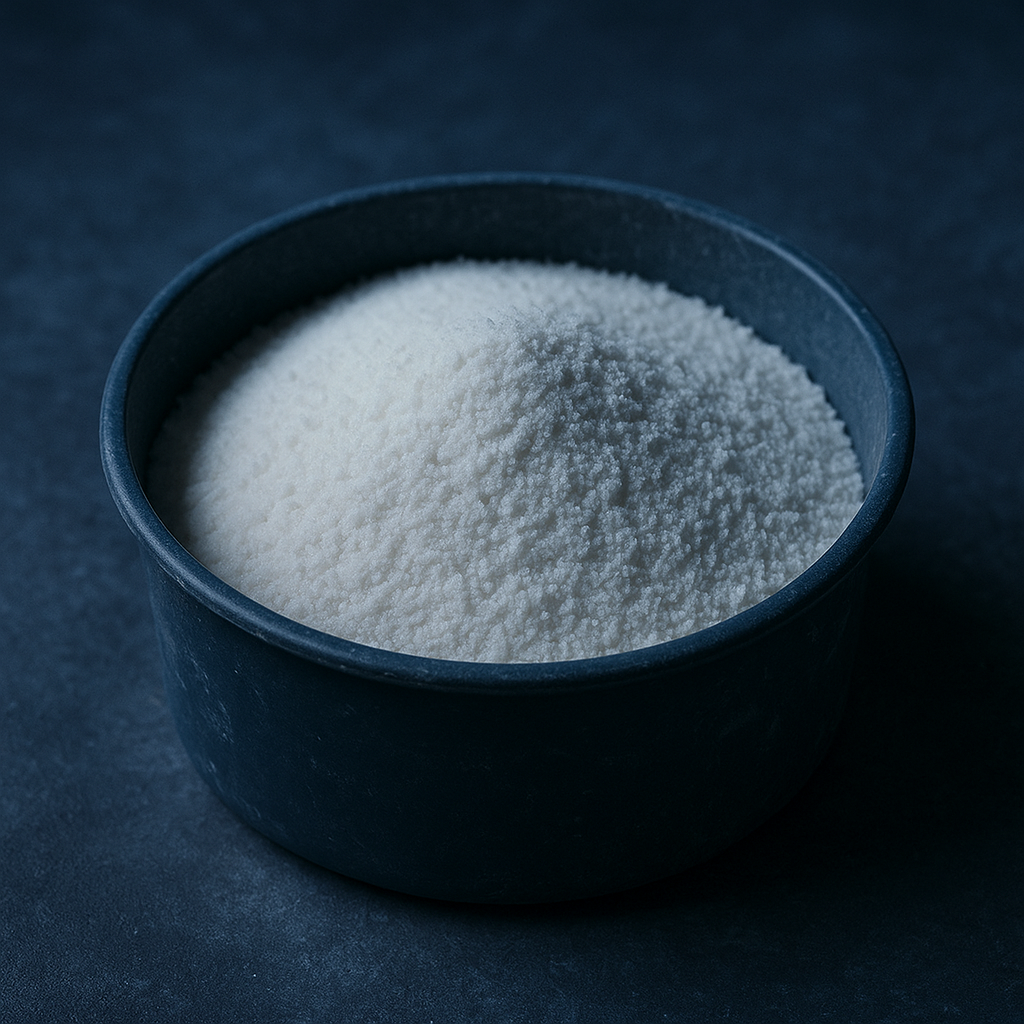
Powder Workwear
Tough-melt DTF powder for durable, work-ready prints every time.
View →
Underbase
White Only Top-up
Top up only your white underbase ink without wasting CMYK.
View →
Press side
Press Path Consumables
Keep your press path clean and your transfers sharp with DTF Ink Press Path Consumables.
View →Understanding high-vis panels and their challenges
High-vis panels are typically made from tightly woven polyester or polycotton blends and are usually finished with reflective tape neighbours. The panels themselves can be quite slick or coated to repel dirt and water, which complicates heat transfer applications. Most DTF jobs here are adding crests, badges or company logos to side panels, yokes or sleeves after the garment is sewn, and the area next to the reflective tape can be at risk for marking, puckering or dye migration if the wrong settings are used.
You’ll see these jobs on safety vests, workwear jackets, trousers and school patrol bibs. Key things to watch for are the fabric’s response to heat, pressure and adhesive, alongside the need to avoid damaging reflective elements nearby.
Where DTF can go wrong on high-vis and reflective gear
Weak adhesion is the top concern, especially if the panel is treated or finished. Using a general garment DTF adhesive can lead to edge lift or peeling when the fabric flexes. Dye migration is another classic issue, showing up as a pink or grey cast in the white base or edges, especially on neon or deep-dyed panels.
Reflective tape is sensitive to heat and pressure. If your press isn’t dialled in, you can leave shine marks or even melt the tape. For polyester, too much heat or a hot peel on a cold-peel film can cause distortion or ghosting. Transfers placed too close to the reflective edge can lose bite if the powder isn’t strong enough.
- Edge lift from weak adhesive
- Dye migration into the white base
- Shine marks or melting on reflective tape
- Distortion from using the wrong peel method
- Powder not biting on technical weaves
DTF Ink lines we recommend and typical starting settings
For these jobs, our team always builds around the 'Powder Workwear' adhesive, its coarser particles bite into technical fabrics and can handle flex and frequent industrial washing. Pair this with our 'White Only Top-up' ink for a solid, opaque underbase that stands its ground against dye migration from neon panels. Keep 'Press Path Consumables' like Teflon sheets and cover papers on hand, especially when pressing near reflective tape for even pressure and to shield delicate areas.
As a starting point: cure the powdered print under a hover press (4 to 7 millimetres gap) at 145 degrees C for 4 minutes. On the garment, press transfers onto polyester or blends at 135 degrees C for 12 seconds, medium pressure, using a cold-peel film. Wait until the reflective panel is cold to the touch, then lift the film. Finish with a 7-second press through a Teflon or parchment sheet to seal the crest edges. Always do a test run on offcuts or a spare panel.
- 'Powder Workwear' for technical fabric adhesion
- 'White Only Top-up' for dense, stable underbases
- 'Press Path Consumables' for precise, clean pressing
Planning stock and your week for high-vis panel jobs
These orders often arrive with tight deadlines, especially from schools before term starts, security firms ahead of contract rollouts or event companies during the festive season. Get your stock in hand early: allow for enough 'Powder Workwear', white ink and extra transfer film (hot and cold peel) to cover reprints or last-minute additions. Reflective-panel jobs are best booked for days when you can run continuous batches, to avoid nozzle drying and colour shifts.
Be conscious of potential delays around public holidays or regional power cuts. If your area is prone to outages, run a white ink circulation after the printer restarts and spot-check nozzles. Organise your workflow so that prepping panels, curing prints and pressing are managed as a batch, avoid piecemeal jobs that break momentum and increase risk of error. Keep a log of settings, film types and batch checks so you can repeat quality results the next time a client brings in a new panel or reflective range.
Read before you press
Customer reviews
What our DTF Ink customers say
Verified Google reviews
Talk to DTF Ink
Tell us about your printer, film, powder and press settings and our team will help you get repeatable transfers. Meadowdale lab in Germiston, plus seven studios.