
Press workflow
Retail restock
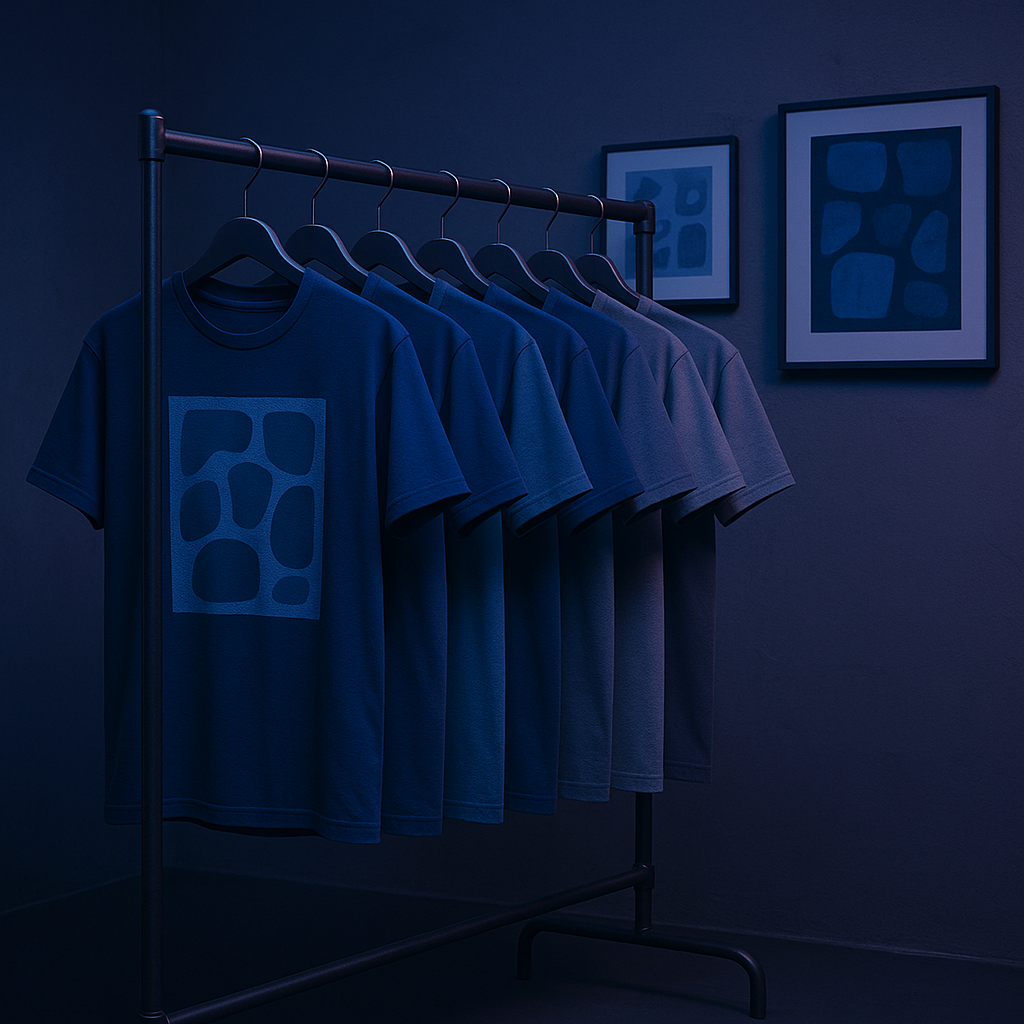
Weekly retail restocks for boutique rails demand precise colour matching and consistent results across all sizes.
Start with these
Lines we put together for this job
Boutique retailers need every restock to match the previous print runs in colour and finish, regardless of garment size or batch. DTF Ink’s workflow helps you deliver reliable results week after week.
Daily ink set
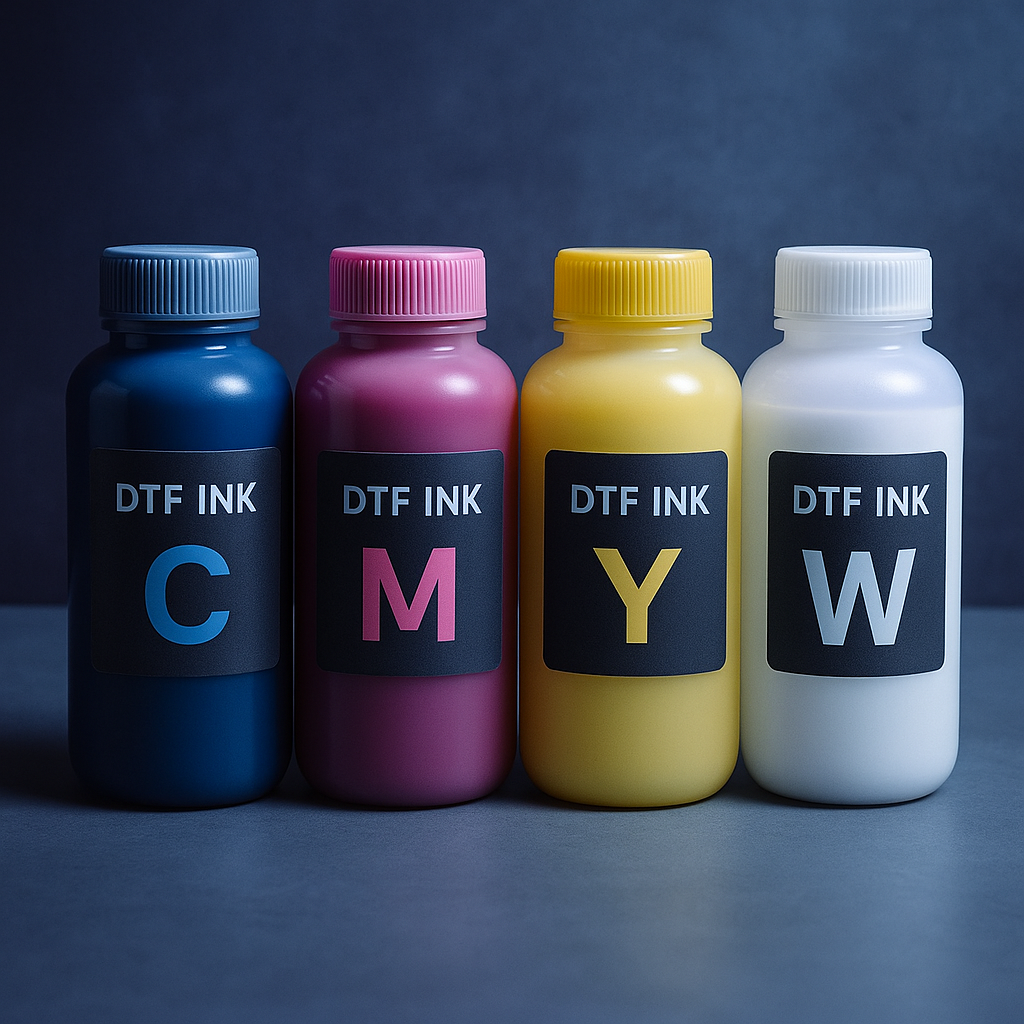
CMYK+White Pro
Four-colour plus white for steady garment transfers on common DTF printers.
View →
Hot-peel film
Film PET 75
Fast-turn DTF jobs run smoothly on Film PET 75 hot-peel rolls.
View →
Metrology
Cure Check Kit
Keep every DTF batch consistent with clear, practical curing checks you can trust.
View →What retail restock jobs involve and the fabrics you see
Retail restock runs typically mean reprinting popular boutique designs on a range of sizes and sometimes different fabric types to keep rails full and colour-consistent. Most jobs land on combed cotton, cotton-rich blends or poly-cotton T-shirts and vests, though some boutiques order fashion fleece, rib knits or spandex-blend tees for limited drops.
The challenge is to keep every restock, no matter the week or which bakkie delivered the blanks, exactly on colour with your previous batches. Shops want rails where the small, medium and 2XL all match, and customers expect the style to look the same whether they buy it this week or next month.
Where DTF transfers go wrong in retail restocks
Colour drift is the main trip-up: white ink that has settled or a fickle nozzle can kick shade or vibrancy off, especially if you skip daily white circulation or a solid nozzle check before the run. This gets worse if your film or powder changes mid-order or if humidity swings wildly between batches.
Occasionally, you see inconsistent adhesion or peeling edges on some sizes, which usually traces to missed pre-pressing, a cold platen spot or under-cured powder. These faults stand out fast on rails, where customers can compare finished shirts directly. Watch out for static and nozzle dry-out during dry Highveld winters and for powder clumping when humidity spikes.
DTF Ink lines and typical starting settings for boutique restocks
For matched colour and repeatability, we recommend sticking with DTF Ink’s 'CMYK+White Pro' ink set, 'Film PET 75' double-matte transfer film, and our 'Cure Check Kit' for regular verification of your powder cure. These products are chosen for reliable results on both cottons and cotton blends, and for keeping the white layer crisp week after week.
Start with white ink agitation every shift and always run a nozzle check before production. Store film sealed and flat, away from direct sun and dust, to keep surface quality up.
Typical press starting points: for cottons, set the press to 155 to 165 degrees C for 12 to 15 seconds at medium-firm pressure, with a 2 to 5 second pre-press to flatten and dry the garment. For poly-cotton blends, drop the temperature to 135 to 145 degrees C and extend the peel time for a cold peel finish. Always cure powder at 110 to 120 degrees C for 2 to 3 minutes in an oven, or hover under the press at 145 degrees C for 3 to 4 minutes, then use the Cure Check Kit to confirm proper cure.
- CMYK+White Pro inks: matched colour, stable underbase
- Film PET 75: consistent release, double-matte
- Cure Check Kit: checks for over- or under-cure
Planning stock and the week around retail restocks
Batch your film and powder orders to carry you through at least two restock cycles, especially in the run-up to school terms and the festive season when demand peaks. Keep a physical sample or colour reference from each batch for matching, never rely on screens or old prints for colour assessment.
Aim to print and cure all sizes for a style in one session where possible, keeping humidity between 45 and 60 percent and temperature stable. If a power cut or outage interrupts, recap print heads and re-run white agitation before resuming. Factor in public holidays, local events and courier transit when booking production slots, so you never leave boutiques with empty rails.
Finish each order with a test wash on each fabric type, and keep a sample aside as a control for next week’s restock. That way, you always have a physical match point, and the rails stay consistent job after job.
Read before you press
Customer reviews
What our DTF Ink customers say
Verified Google reviews

Talk to DTF Ink
Tell us about your printer, film, powder and press settings and our team will help you get repeatable transfers. Meadowdale lab in Germiston, plus seven studios.