
Centurion
Centurion hoodies
A Centurion print shop needed reliable DTF transfers for bold chest prints on hoodies, and durability was put to the test by post-cure folding.

Strong chest blocks pressed onto hoodies needed to hold up after folding and handling. This project focused on tweaking powder type, cure, and press routine to keep edges smooth and prevent cracking.
Tackling large chest blocks on heavyweight hoodies
In Centurion, a garment decorator faced trouble with large DTF chest prints holding up after the usual fold-and-pack routine. The prints looked good straight off the press, but after curing, folding, and boxing, some developed minor cracking or lost their edge definition, especially when using standard fine powder on thicker hoodie fabric.
They needed a transfer that would stay tough through handling, folding, and eventual wear, without sacrificing the hand feel or flexibility across the chest. The feedback was clear: the usual powder and heat settings weren’t making the grade, and they wanted a solution that could slot into their current workflow without slowing it down.
Switching to workwear powder and tuning the cure
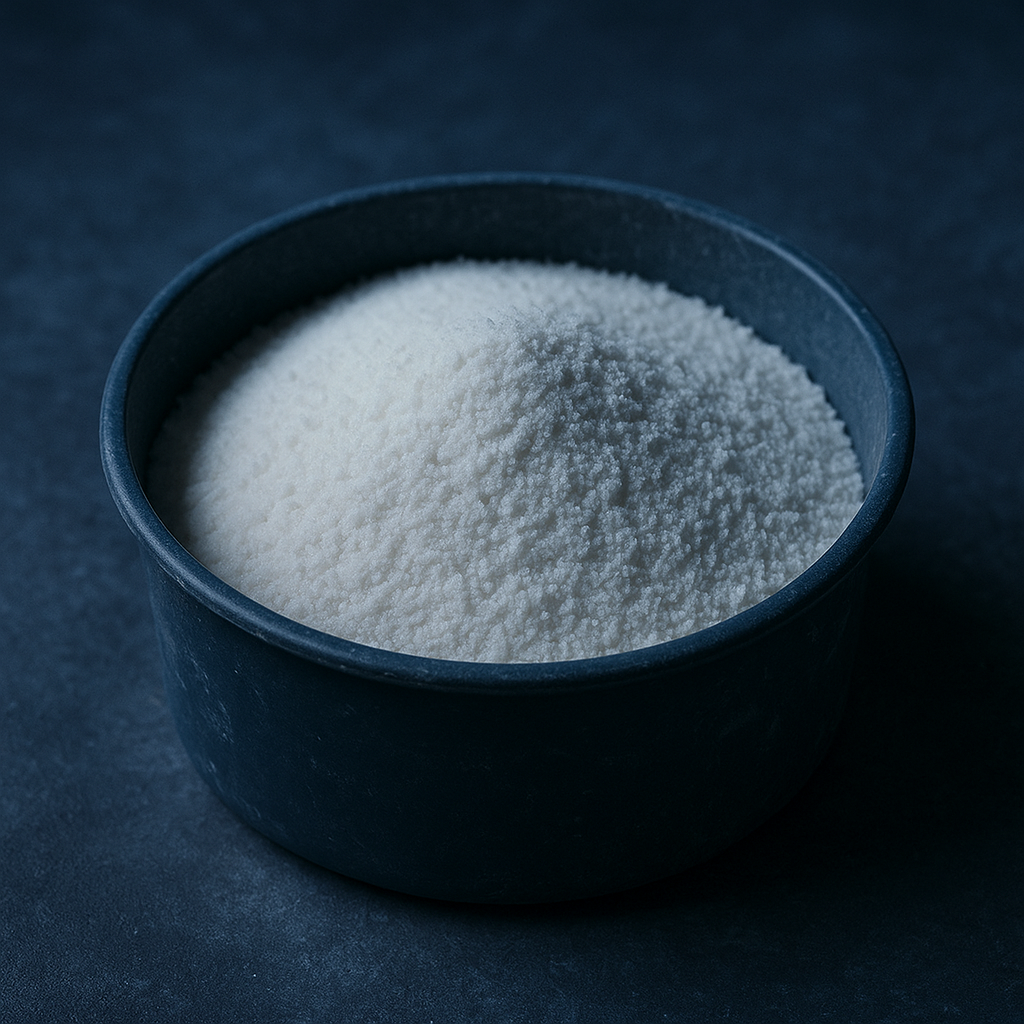
Our team recommended switching from the regular fine powder to our workwear-grade DTF powder for better bite and durability on heavyweight hoodies. The workwear powder is designed to handle higher stresses and textured fabrics, making it ideal for areas that see stretching and folding.
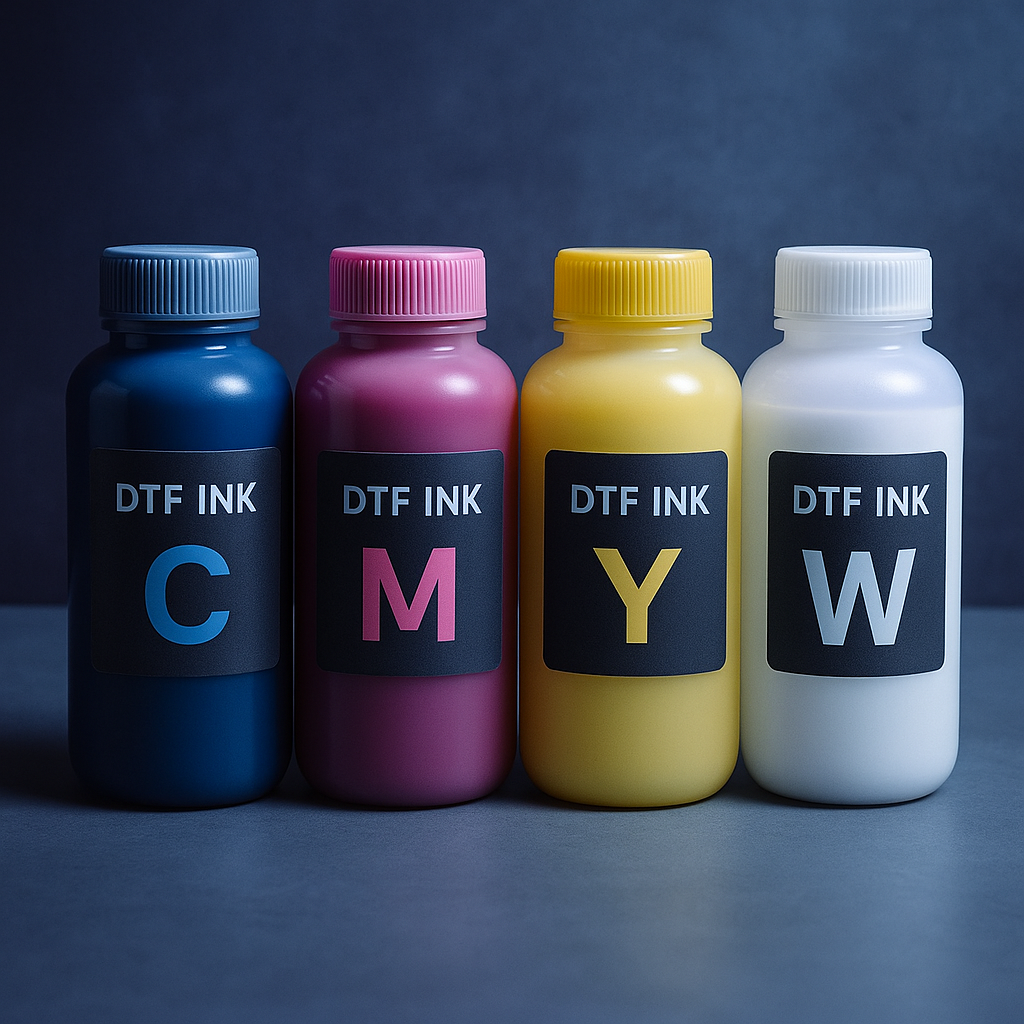
We supplied CMYK+White Pro ink for a punchy underbase, which meant the white layer needed extra attention. The print crew got into the habit of agitating the white ink every morning and running circulation before a nozzle check, especially after any power cuts or printer downtime. For curing, they adjusted the oven up to 120 degrees C for about 3 minutes, checking for a glossy orange-peel effect before pressing.
On the press, they pre-pressed each hoodie for 5 seconds to clear moisture, then pressed transfers at 155 degrees C for 15 seconds at medium-firm pressure. After peeling, a 7-second finishing press through Teflon sheets locked in the edge smoothness. Each batch was spot-checked by folding a sample print right after cooling, before packing.
- Upgraded to workwear-grade powder for grip
- Daily white ink agitation and circulation
- Cure checks focused on the orange-peel texture
- Finishing press improved edge durability
The new routine for crisp, resilient chest prints
The decorator now sticks with the workwear powder for all bulk hoodie runs, and the finishing press has become a permanent part of their routine. They also log press and cure settings for each job, so there’s a quick reference if the batches change fabric or film.
If we tackled this project again, we’d run a slightly longer cold peel test for new blends and maybe compare two powder grades on the same hoodie batch. For anyone dealing with large block prints on heavy garments, keeping humidity in the print room steady and running a few fold tests after the first batch makes a big difference before committing to full production.
- Keep a log of press and cure settings per fabric
- Test both cold and hot peel methods for new blends
- Watch humidity in the print room, especially in winter
Customer reviews
What our DTF Ink customers say
Verified Google reviews

Talk to DTF Ink
Tell us about your printer, film, powder and press settings and our team will help you get repeatable transfers. Meadowdale lab in Germiston, plus seven studios.