
Pretoria
Pretoria workwear fleet
A busy Pretoria workshop faced a challenge printing durable name badges and high-vis labels for a municipal vehicle fleet.

Switching to DTF Ink’s workwear-grade powder made a difference on tough polyester and mixed-fibre jackets. Simple white top-ups and a new powder routine helped the shop keep up with demand during a long fleet renewal.
Getting the right transfer for high-vis fleet workwear
The Pretoria shop needed a run of name badges and high-visibility fabric neighbours for a large municipal fleet. The badges would be pressed onto a mix of bright polyester jackets, reflective bibs, and heavy-duty polycotton shirts. The old DTF powder struggled with both wash durability and bite, especially on the textured and coated workwear fabrics. On top of that, print runs started early most mornings, so the team was worried about keeping white prints strong and avoiding any patchy logos if the ink settled overnight.
Changing to workwear-grade powder and white top-up routine
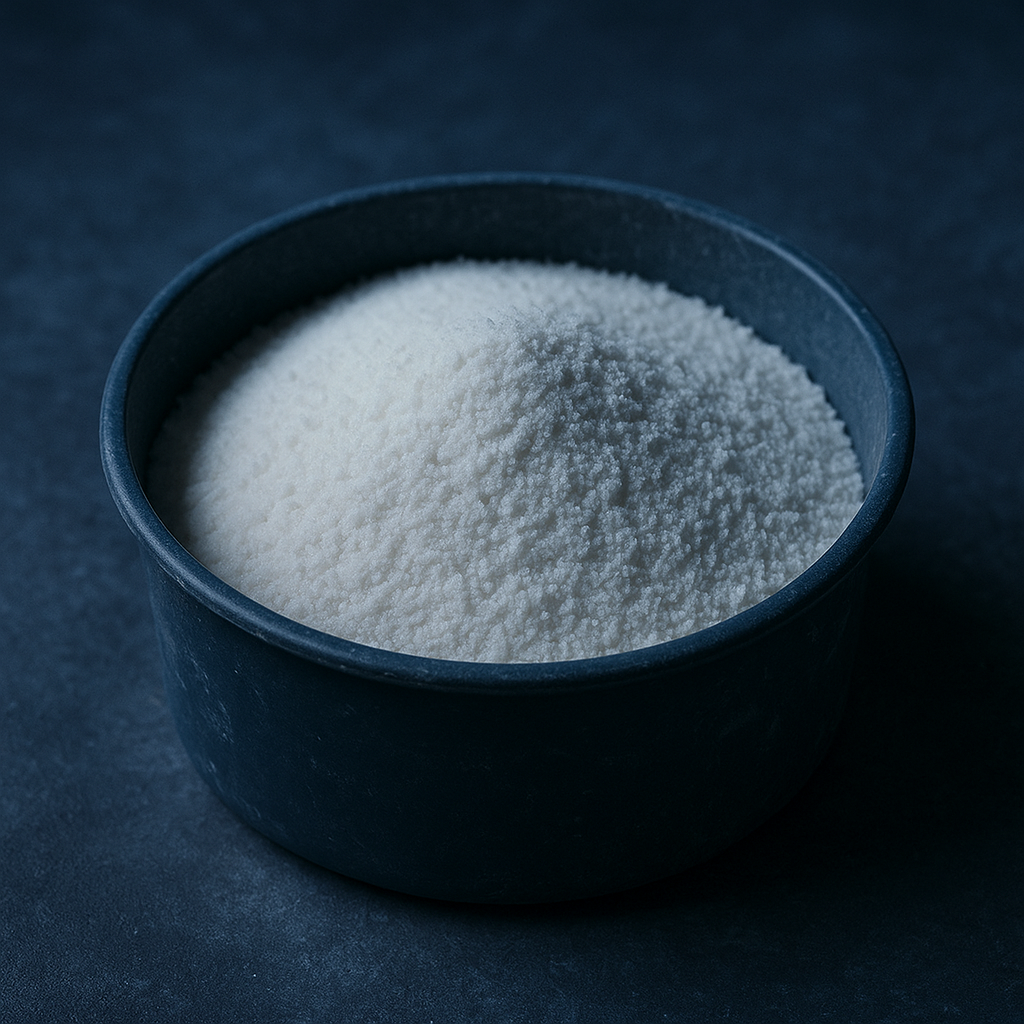
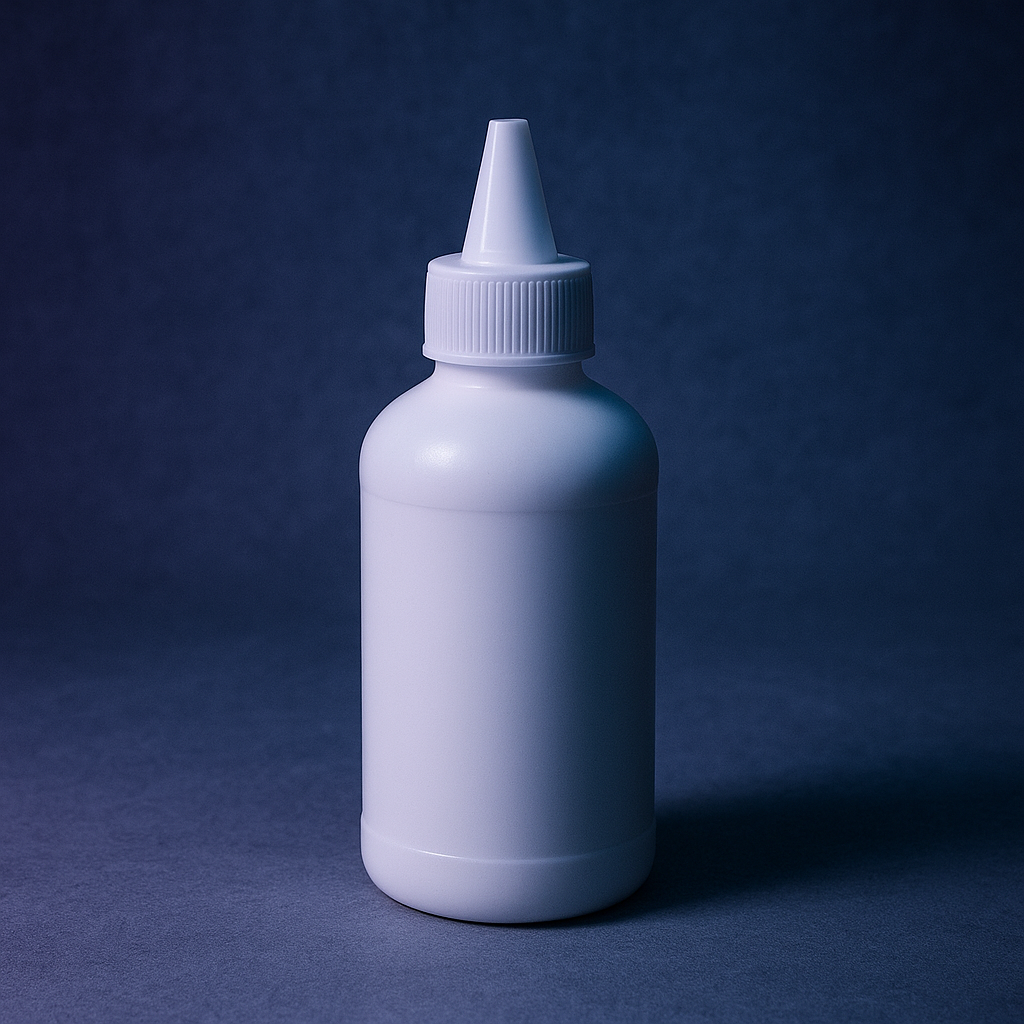
We supplied our workwear-grade TPU powder, which is a tougher, slightly coarser grain designed for better hold on technical and heavy-wear fabrics. Alongside this, we sent out white only pigment top-up bottles so the shop could refresh the white ink after a few days of printing, especially before a new fleet batch. The team switched from their usual fine powder to the workwear blend, applying it evenly and shaking off excess to stop clumping on reflective strips.
Curing settings started at 145 degrees C for 4 minutes under a hover press, checking for that fine orange-peel gloss before pressing. For the polyester jackets, the team used 135 degrees C at medium pressure for 12 seconds, always cold peel to limit ghosting and dye migration. Daily agitation of the white ink became part of their opening routine, along with a nozzle check before the first run. The new powder also meant less transfer lifting on seams and edges, even with rough handling in the depot.
- Used workwear-grade powder for better durability
- Introduced daily white ink checks and top-ups
- Pressed at lower heat to protect high-vis polyester
- Checked every batch with a quick wash test
Routine improvements and future advice for similar jobs
After a few weeks, the Pretoria team kept the workwear powder as their default for all reflective and heavy poly garments. They also made white top-up a habit on Mondays and after long weekends, especially during school term breaks when jobs backed up. The shop found that colder Highveld mornings slowed the cure a little, so they now double-check their curing oven temp with an infrared thermometer before every big run.
If we could change anything, we’d suggest a small airtight bin for powder to keep out winter static, and a print room hygrometer to spot low humidity before it affects prints. For fleet and uniform jobs, a sample test on each new fabric batch is always worth the extra few minutes.
Customer reviews
What our DTF Ink customers say
Verified Google reviews

Talk to DTF Ink
Tell us about your printer, film, powder and press settings and our team will help you get repeatable transfers. Meadowdale lab in Germiston, plus seven studios.