
Roodepoort
Roodepoort kids wear
A Roodepoort print shop wanted to produce soft, durable DTF prints for young children’s clothing and baby sizes, aiming for a gentle finish and maximum comfort.

A print studio in Roodepoort asked us how to get a softer, more flexible print on kids and babywear. We helped them adjust their DTF process, using our soft-hand powder and some careful curing tweaks.
Aiming for gentler prints on kids and babywear
The shop specialised in school kit and boutique children’s wear, with a growing demand for smaller sizes. Their main concern was that standard DTF prints sometimes felt too thick or stiff on toddlers’ T-shirts and baby grows. Parents wanted garments that were easy to wear, soft against sensitive skin and strong enough to handle repeated washing.
The brief from the shop was clear: stay vibrant and long-lasting, but make the transfers as gentle and flexible as possible, especially for newborn and infant sizes. They needed advice on the right consumables and settings to achieve this, without risking cracks or premature wear in the wash.
Switching to soft-hand powder and lighter cure routines
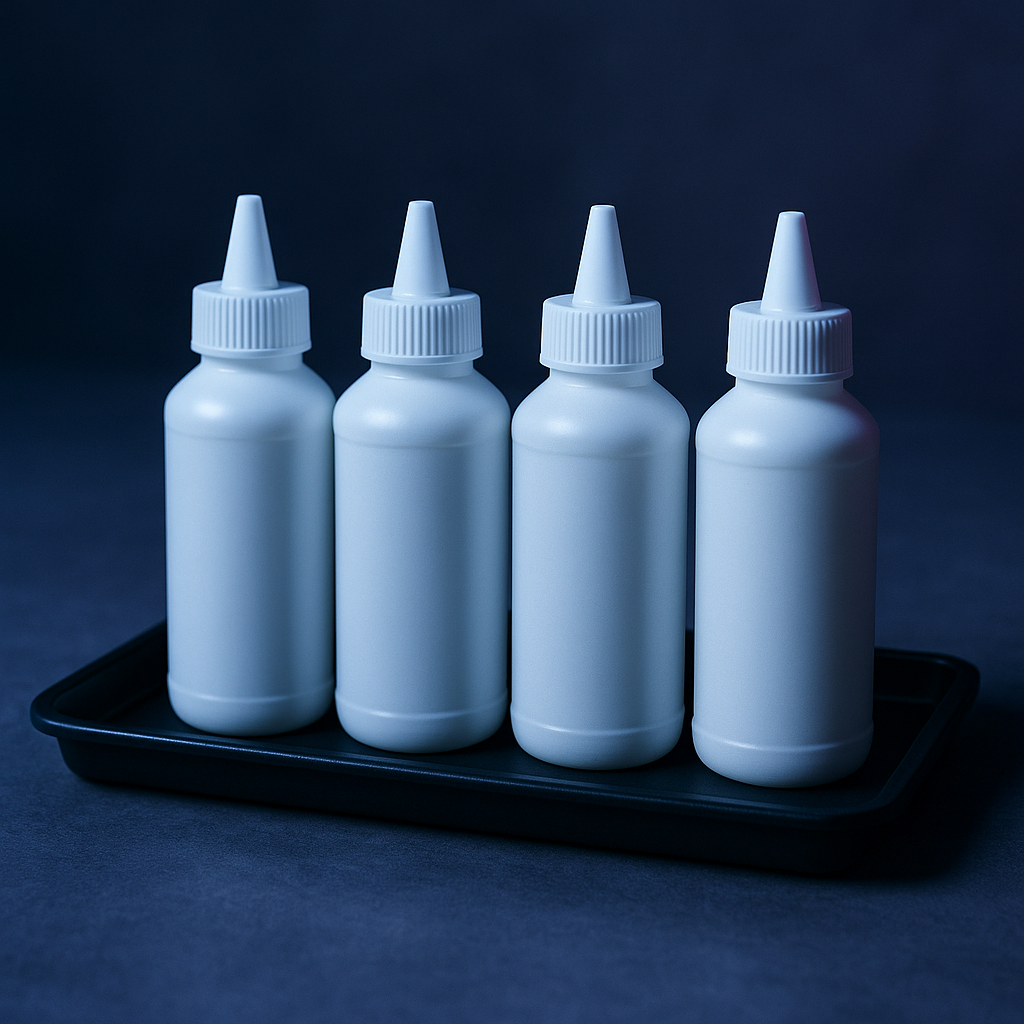
Our team recommended moving to DTF Ink Soft Hand powder, which is finer and delivers a much softer feel once pressed. We also supplied the CMYK+White Compact ink set and reminded the print room to gently but thoroughly agitate the white ink bottle and run a nozzle check at every start.
For curing and pressing, we suggested testing a gentler oven cure: 2 to 2.5 minutes at 110 degrees C, instead of the usual 120. In pressing, we advised running at the lower end of the cotton range: about 150 degrees C for just 10 seconds, with medium-firm pressure. For blended or technical fabrics, they trialled 130 degrees C for 12 seconds and a full cold peel before a 7-second finishing press, always taking care to check the press with a handheld IR thermometer before starting.
- Agitate and nozzle-check white ink every shift
- Store PET film in dry, flat stacks away from sun
- Always pre-press to flatten and dry the garment
- Gloves and masks for hand-powdering small runs
Routine changes and further tweaks for young sizes
The shop found the softer powder and reduced cure settings worked very well for their babywear runs. They made it routine to check humidity and keep the print room around 50 percent to limit static and prevent powder from clumping. They started batch-washing small samples of every new supplier’s blank to catch changes in fabric surface or shrinkage before production. This also helped them catch the rare cold spot in the press that needed reseating.
If we did this again, we’d trial a slightly longer cool-down before peeling on some of the stretchier toddler fabrics, and we’d suggest running the soft-hand powder on at least one heavier garment to check the edge strength. For shops aiming at the under-five market, we always recommend keeping one set of test blanks and a proper cure check kit on hand at the press.
Customer reviews
What our DTF Ink customers say
Verified Google reviews

Talk to DTF Ink
Tell us about your printer, film, powder and press settings and our team will help you get repeatable transfers. Meadowdale lab in Germiston, plus seven studios.