
Recipe
Export carton checkcards for DTF kit shipments
Cards that travel inside export cartons.
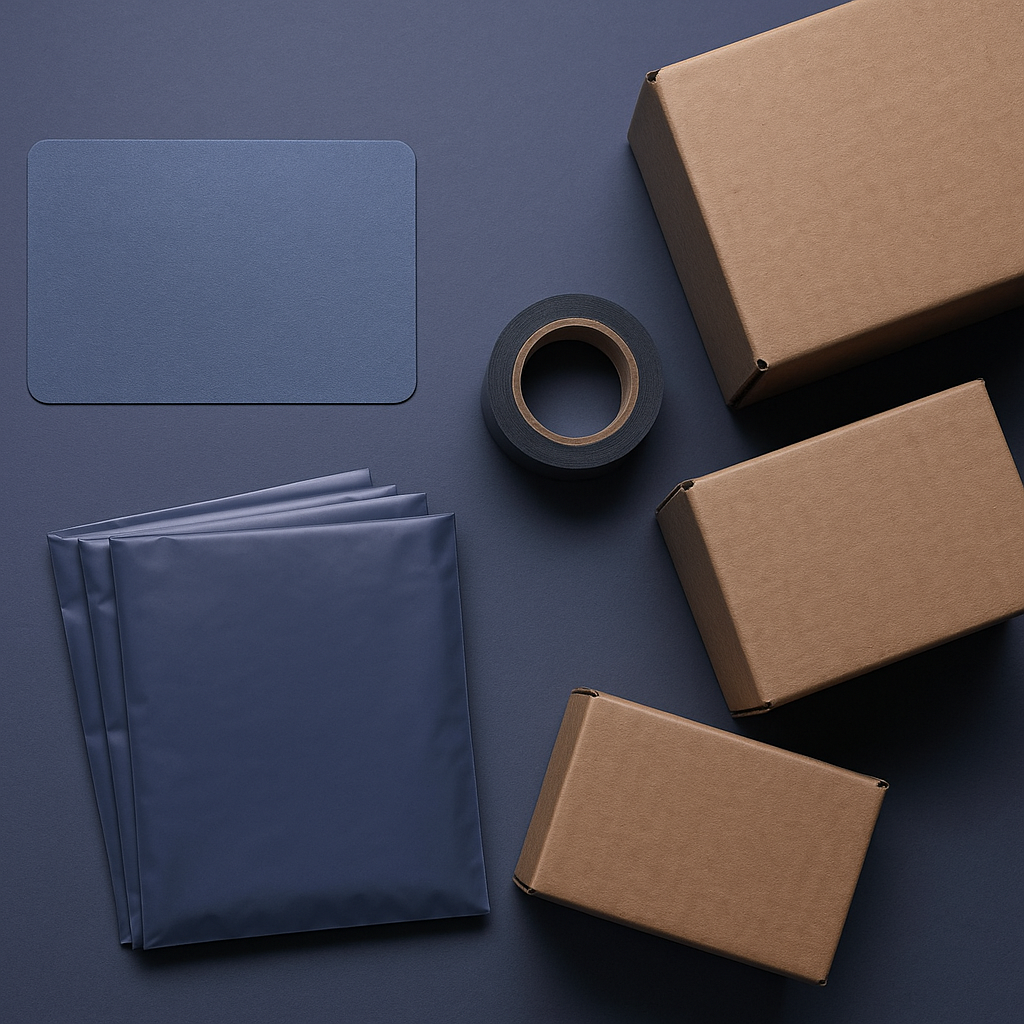
Every DTF kit that leaves our Meadowdale lab for export gets a checkcard packed inside the carton, right next to the film and bottles. I’m Ms Dikeledi Sibiya, and I’ve learnt just how much time a clear, practical checkcard can save when kits travel through customs or repacking along the way. Let’s walk through how we prepare these cards and what’s worth including, especially for South African DTF exporters.
What to include on the checkcard
Customs officers and the receiving print team both read the export checkcard. It covers every component packed in the kit: DTF ink bottles (specify CMYK, white and top-up white), PET transfer film type and size (hot-peel or cold-peel, roll width and length, or A3 sheet count), powder grade (and colour, if black), as well as any extras like RIP packs or press-side consumables. It’s best to use clear names and product codes that match your packing slip so the count is easy to cross-check.
Add a warning if any component has special handling needs, such as an obvious ‘shake white ink well before use’ or ‘protect film from sunlight and damp’. For shipments leaving Joburg, we always add the latest print date, the packer’s initials and a WhatsApp number for troubleshooting on arrival.
Packing and protecting the checkcard
I’ve seen cartons arrive at Gqeberha and Maputo with checkcards destroyed by glue or bottle leaks, so we always slip the card in a low-static plastic sleeve, sealed with a strip of tape or a zip-lock. Place the sleeve flat against a rigid side of the carton, away from liquids and powder bags.
Dont wedge the card too close to the heat-seal edge of a film pack, as it can get wrinkled or heat-welded in transit. A spare copy taped to the inside top flap gives receivers a backup if the main card is damaged or lost.
Tips for customs and courier clearance
South African export cartons often get opened repeatedly in transit, so clarity is key. Customs officials move quickly and want to see a full component count and ink details at a glance. We use bold markers for headings and never abbreviate product descriptions, write out ‘thermoplastic polyurethane powder’ instead of ‘TPU’ the first time.
Include the destination contact (name and number) if permitted, so the courier can call for collection or re-sealing queries. Remember to mention if any item is a ‘water-based pigment ink’ or a ‘non-flammable powder adhesive’, many destinations ask about this to avoid hazardous goods holds.
- Use plastic sleeves for moisture protection
- Put the card on a rigid side, away from liquids
- List all items in full, no abbreviations
- Add both packer and receiver contact numbers
- State product safety (water-based, non-flammable)
Common mistakes and how to avoid them
One of the most common issues I see is a missing product count or a mismatch between the card and the actual kit contents. Double-check that every ink bottle, film roll and powder bag matches the card. Don’t trust memory, tick off items as you go. Damp or curled cards are common in Durban’s humidity, so always use a sealed plastic sleeve.
Never put the checkcard directly against bottles with loose caps, especially after flights where pressure can push ink out. If you’re sending film and powder together, keep the card well clear of the powder bag seam, powder dust can smudge writing and confuse customs. These small steps keep the process smooth and save you from late-night phone calls about missing or mislabelled kit parts.

Applications lead at DTF Ink. Dikeledi writes DTF press recipes and helps shops achieve reliable first peels.

Talk to DTF Ink
Tell us about your printer, film, powder and press settings and our team will help you get repeatable transfers. Meadowdale lab in Germiston, plus seven studios.