
Recipe
Highveld storage notes
On the Highveld, dry winter air makes white DTF ink settle hard, so keep bottles sealed, upright and shaken daily before every top-up.
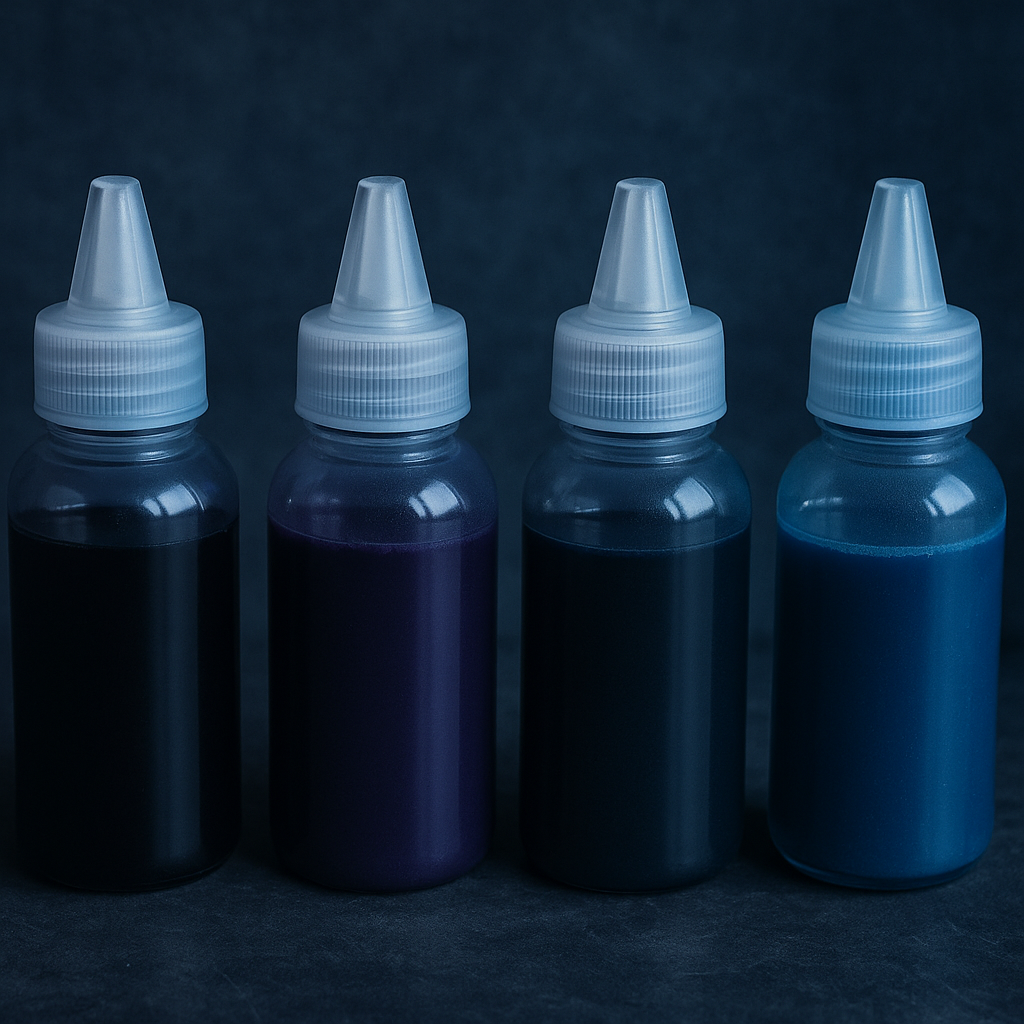
I’m Louw Hattingh, ink chemist at DTF Ink, and I see the effects of Highveld climate on DTF consumables every winter. Gauteng’s cool, dry air is great for comfort but can play havoc with pigment inks and adhesive powders if you don’t adjust your storage habits. I want to share what works in our Meadowdale lab and what to check before you run your first test prints each day.
White ink settles fast in dry Highveld air
If you leave white DTF ink bottles or cartridges standing on a chilly Highveld morning, you’ll notice the pigment sinks quickly and can form a dense layer at the bottom. This is more pronounced here than in the coastal cities, as dry air allows micro-particles to settle and compacts them harder.
We’ve seen shops start the day with patchy or greyish whites, often due to skipping agitation after a weekend or long power cut. Set a routine to shake sealed white ink bottles before fitting them, and run your printer’s white circulation and nozzle check at the start of every shift. If you see streaks or gaps, pause and flush nozzles before going into production. Never try to recover settled white by just shaking a half-empty bottle, it must be stirred or rotated thoroughly.
Keep bottles and film sealed and out of sunlight
Open containers and humidifiers seem harmless, but they speed up evaporation in winter air. Only open bottles when you need to refill, and reseal the cap tightly straight after. Store all inks on a shelf out of direct sun and away from heaters, sunlight and heat speed up pigment settling and can start clumping pigments or even spoil the ink.
PET transfer film absorbs static and dust if stored open, especially in rooms with dry, blowing air. Always keep film in its original sealed bag or box, whether you’re using rolls or A3 sheets. Hang full rolls or lay them flat to prevent edge curl. We’ve seen prints ruined by static-attracted dust specks that only show up after pressing the transfer.
- Store ink bottles upright and tightly sealed
- Never stack film where it can warp or bend
- Keep consumables off the floor to avoid overnight condensation
Adhesive powder clumps and attracts static
TPU powder may seem stable, but in the Highveld winter it’s prone to both clumping (if moved from a humid storeroom to a dry print bay) and static, which can make it cling to your hands, film edges and even the table. Always wear gloves and a dust mask when powdering, and shake the bag gently before opening to break up any lumps.
If static is a problem, wipe down your work surface with a slightly damp lint-free cloth that is damp enough to reduce charge and dry enough to leave no puddles. Store unused powder in an airtight container between uses, and avoid open scoops or bowls. Coarser powder used for workwear can attract even more static and is harder to shake off cleanly.
Check storage humidity and temperature daily
The most successful print shops on the Highveld run a hygrometer and thermometer in the print bay. Aim for 45 to 60 percent relative humidity and 20 to 25 degrees C. Below this range you’ll notice more static, nozzle clogs and ink thickening. In severe cold, inks can separate further and powder can form hard lumps in the corners of the bag.
If your storage is in a bakkie or unheated storeroom overnight, bring inks and powders inside to warm up before use. Avoid moving consumables straight from cold to a hot, humid press room, let them adjust for an hour to prevent condensation inside caps or film sleeves.

Ink chemist at DTF Ink. Ink chemist Louw keeps our CMYK and white DTF ink flowing for real South African print shops.

Talk to DTF Ink
Tell us about your printer, film, powder and press settings and our team will help you get repeatable transfers. Meadowdale lab in Germiston, plus seven studios.