
Recipe
Press path cover papers and Teflon sheets
How to choose, use and replace press-side cover papers and Teflon sheets for DTF transfers.
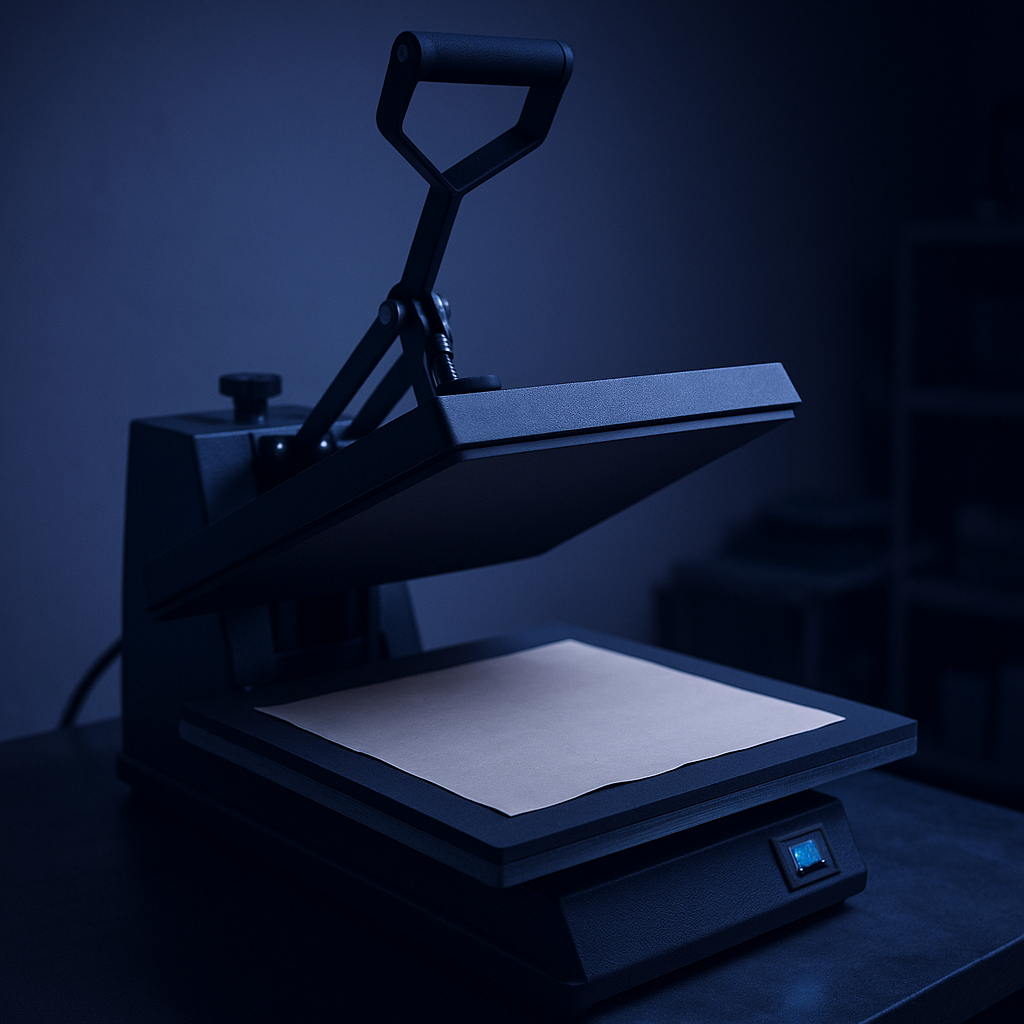
I’m Ndivhuwo Shirinda from the DTF Ink print lab, and today’s note is about press path cover papers and Teflon sheets. These are small, practical tools that can make a big difference to your DTF results, but they’re often overlooked. I’ll run you through what works, how to use each type, and when it’s time to swap them out.
Cover papers and Teflon sheets in the press path
DTF transfers need a clean and even press path, both to protect your garment and to get that clean, durable print. Teflon sheets and cover papers act as a barrier between the press platen and the PET film or finished transfer. They help prevent sticking, protect against stray powder residue, and spread the heat more evenly across the print area. Using a sheet also makes it easier to run a quick finishing press, which is key for durability and hand-feel.
Choosing between Teflon and paper covers
Teflon sheets are reusable, wipeable and give a slightly glossier finish. They’re great for cotton tees and for short finishing presses after peeling the film. Parchment or silicone-coated cover papers give a softer, more matte feel and can help avoid heat shine on delicate polyesters, but they’re single-use or at most good for a handful of presses before they start to curl or pick up too much residue. On the Highveld, static can make light cover paper shift when opening the press, so hold it in place as you close. Be sure not to use baking paper with a wax layer, as this can transfer to your garment and wreck the result.
- Use Teflon for durability and easy cleaning
- Switch to cover paper for a matte finish or delicates
- Replace single-use papers after each transfer
- Never use waxed or greaseproof kitchen paper
Spotting when to replace your cover sheet
A Teflon sheet can last months if you keep it clean, but over time it will pick up ink smudges, powder streaks or start to develop shiny pressure spots. If you see marks transferring onto fresh prints, or if the sheet starts curling at the edges and wont lie flat, it’s time to retire it. For cover papers, any sign of scorching, powder build-up, or tearing means it needs to go. Don’t risk using a dirty or damaged sheet, as it can ruin a whole run of shirts. Old Teflon can be cut down and used for small presses or tricky seams, so it doesn’t have to go straight in the bin.
Tips for handling and storing your covers
Keep your Teflon sheets flat when not in use, away from direct sun or heaters which can warp them. Wipe them down regularly with a lint-free cloth to avoid powder or lint build-up, especially after a run of workwear prints. Store cover paper in a dry, dust-free spot, preferably in the packaging it came in. In coastal studios, humidity can make paper curl or go soggy, so keep a fresh pack closed until needed. If you ever drop a sheet on the floor, just swap it, grit or dust will leave pressure spots on your next print.

Head of the print lab at DTF Ink. Print lab head Ndivhuwo keeps press rooms running smoothly and DTF colour right from nozzle check to final peel.
Related
Talk to DTF Ink
Tell us about your printer, film, powder and press settings and our team will help you get repeatable transfers. Meadowdale lab in Germiston, plus seven studios.