Press workflow
Name badge lanes
Name badge lanes test your press setup: sharp edges, small text and clean whites are non-negotiable.

Start with these
Lines we put together for this job
Staff names and fine type need a DTF workflow that keeps details crisp and ink controlled. DTF Ink’s A3 sheets, matched with our compact CMYK+White sets and RIP Colour Pack, are built for this job.
Profiles
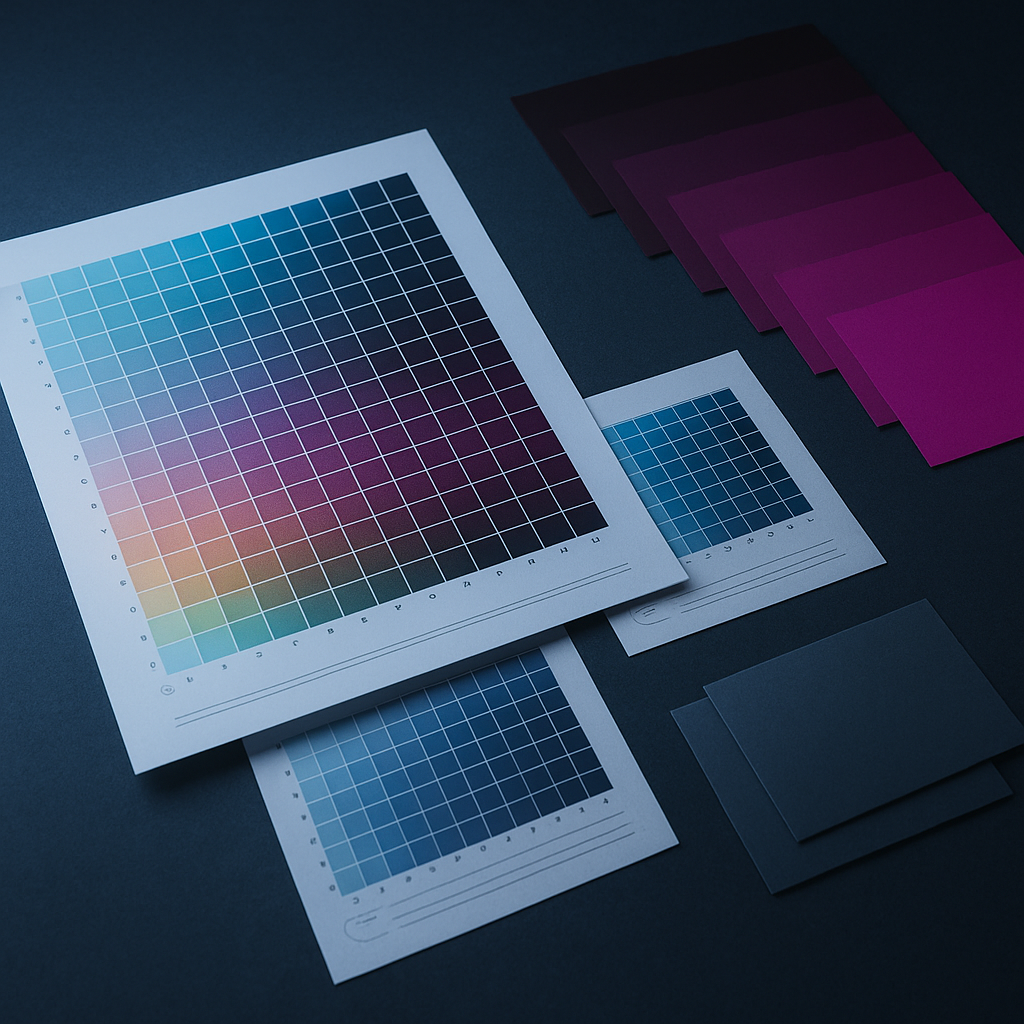
RIP Colour Pack
Quick-start digital RIP and ICC profiles for our CMYK+White ink sets.
View →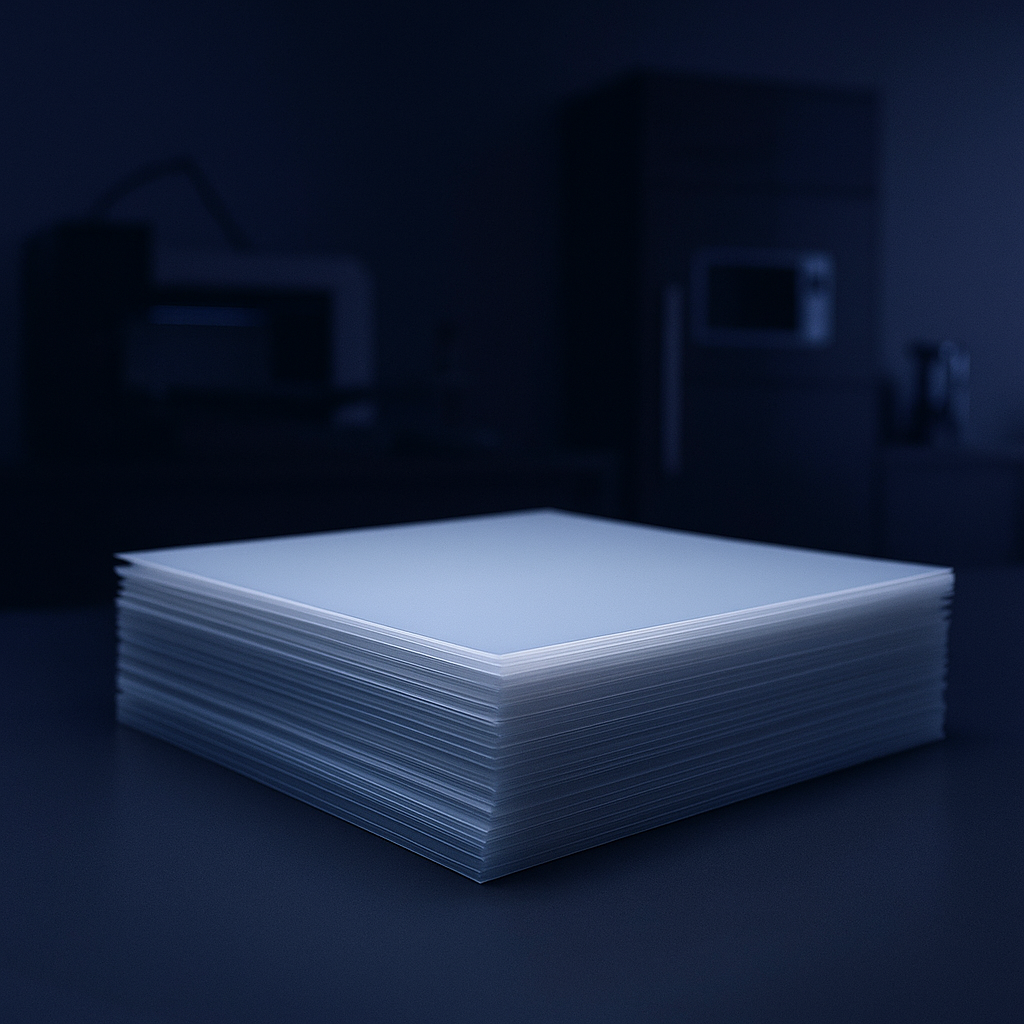
Sheet film
Film Sheet A3
A3 sheet DTF film, perfect for sampling, short runs and controlled testing.
View →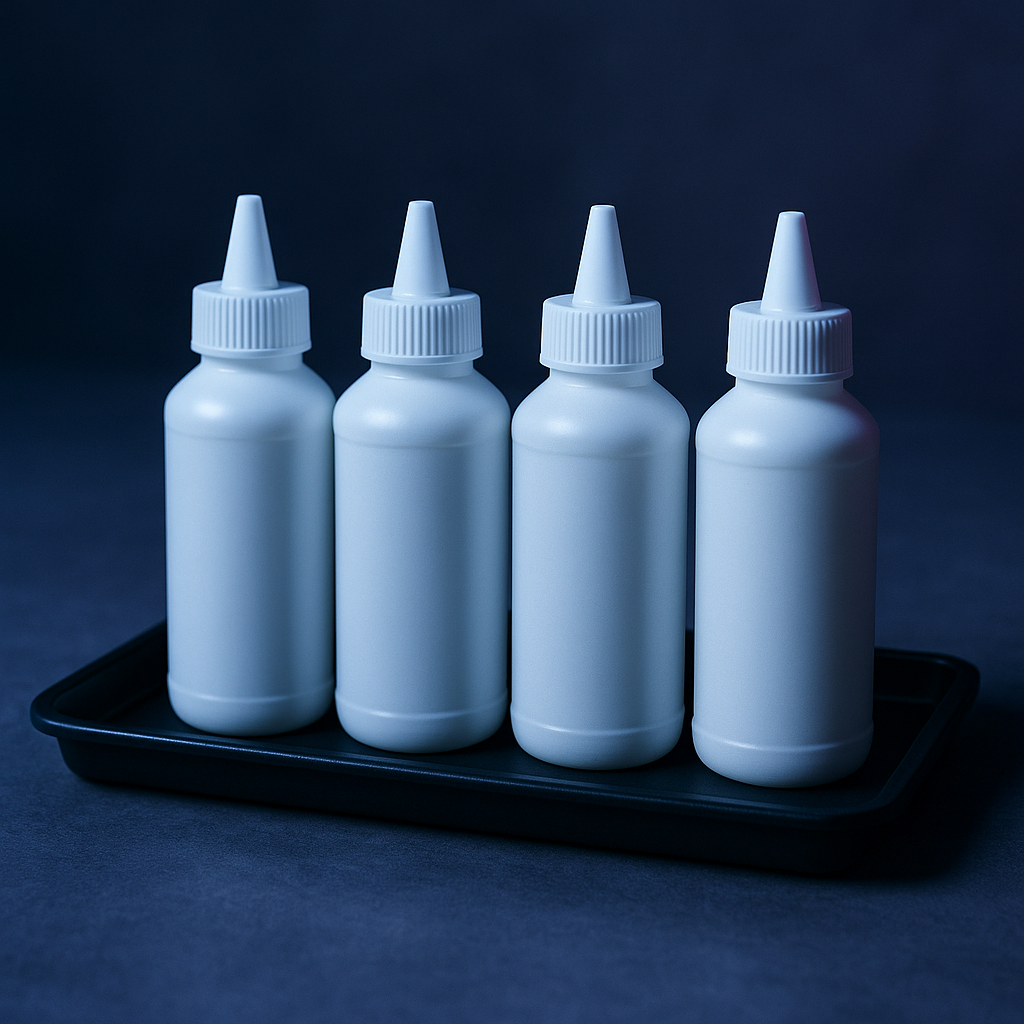
Starter set
CMYK+White Compact
Compact 250 ml CMYK+White bottles for new setups and test runs.
View →What name badge lane jobs involve
Name badge lanes are all about personalisation at scale: you’re printing dozens or hundreds of staff names, usually on left-chest T-shirts, polos, golf shirts, or workwear. The artwork is tight, with small fonts and fine lines that must hold up to regular wear and washing.
These jobs run across cotton, polycotton and polyester garments, sometimes caps and aprons. You’ll often be matching a company logo or colour and laying out multiple names per A3 sheet for efficient batch production.
Where DTF transfers struggle on small type
The main risks with name badge lanes are loss of detail on small text, muddy edges from ink bleed, and patchy or broken white underbase. Powder that’s too coarse can obscure detail, while too much heat or pressure can blur the print and create ghosting. Fuzzy edges make names look untidy, and poor film handling can lead to static or specks.
On polyester, there’s extra risk of dye migration, especially with light backgrounds or white names. Under-cured powder or incomplete white will wash out fastest right on the fine lines. This is where bad habits in ink shaking or nozzle checks show up.
DTF Ink lines and the best starting workflow
For name badge lanes, we’ve tuned three lines that give sharp, reliable results:
Start with our 'Film Sheet A3' double-matte packs for clean sheet handling and easy batch layout. Pair this with 'CMYK+White Compact' ink sets, make sure to shake the white bottle daily, and always run a nozzle check before your job. For colour pop and ink balance, set up the job in your RIP software using our 'RIP Colour Pack' for profiles that keep small text crisp.
Test settings: pre-press your garment for 3 seconds to flatten fibres and drive out moisture. Print onto A3 film with a fine or standard TPU hot-melt powder (never coarse for this kind of detail). Cure powder at 120 degrees C for 2.5 minutes in an oven or hover under the press at 145 degrees C for 4 minutes. Press at 155 degrees C for 12 seconds at medium pressure for cotton and blends. Always let the job cool fully before cold-peeling the sheet low and slow. For polyester, drop to 135 degrees C for 12 seconds, cold peel, and add a finishing press through Teflon for 7 seconds.
- Film Sheet A3 (hot or cold peel)
- CMYK+White Compact ink set
- RIP Colour Pack for fine text
- Fine or standard TPU powder
- Lint-free wipes for platen and film
How to plan stock and the production week
Name badge jobs often spike before new school terms, hospitality busy seasons, and big company rollouts, leave slack in your week for last-minute name changes. Pre-count and batch your A3 film sheets, and keep at least one extra compact ink set and a top-up white bottle per 200 badges.
Plan your print runs in lanes by surname or department to speed up sorting. For bulk jobs, print and powder batches together, then cure and press in sequences to avoid bottlenecks. Account for courier delivery if you’re shipping to multiple branches or schools.
Watch out for power cuts, recap the print head and re-agitate white ink after restarts. If you’re running big jobs in summer or coastal humidity, check powder flow and cure times, and store film flat in a dry place. Keep a simple wall chart of school terms or event dates to avoid last-minute stress.
Read before you press
Customer reviews
What our DTF Ink customers say
Verified Google reviews
Talk to DTF Ink
Tell us about your printer, film, powder and press settings and our team will help you get repeatable transfers. Meadowdale lab in Germiston, plus seven studios.